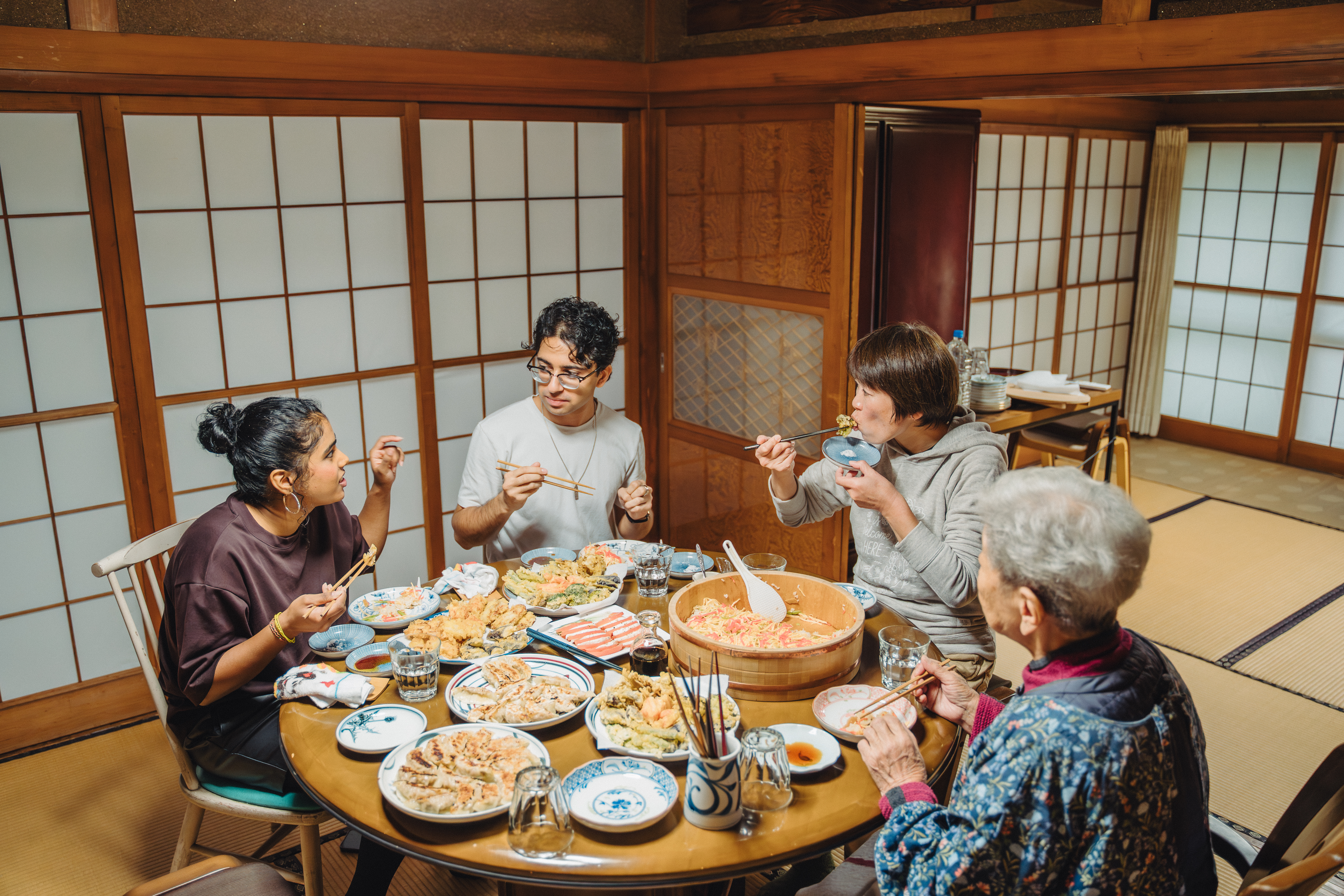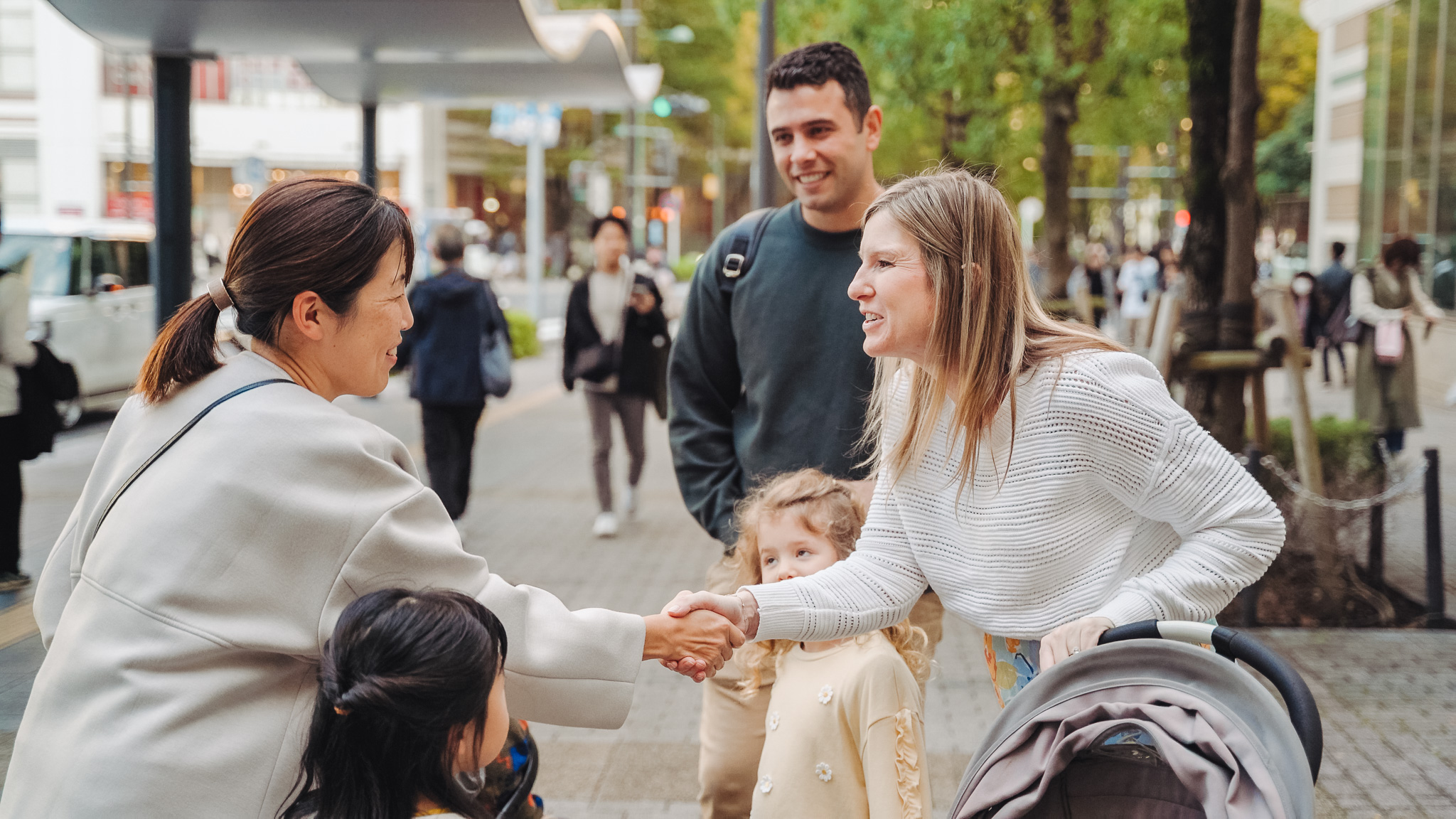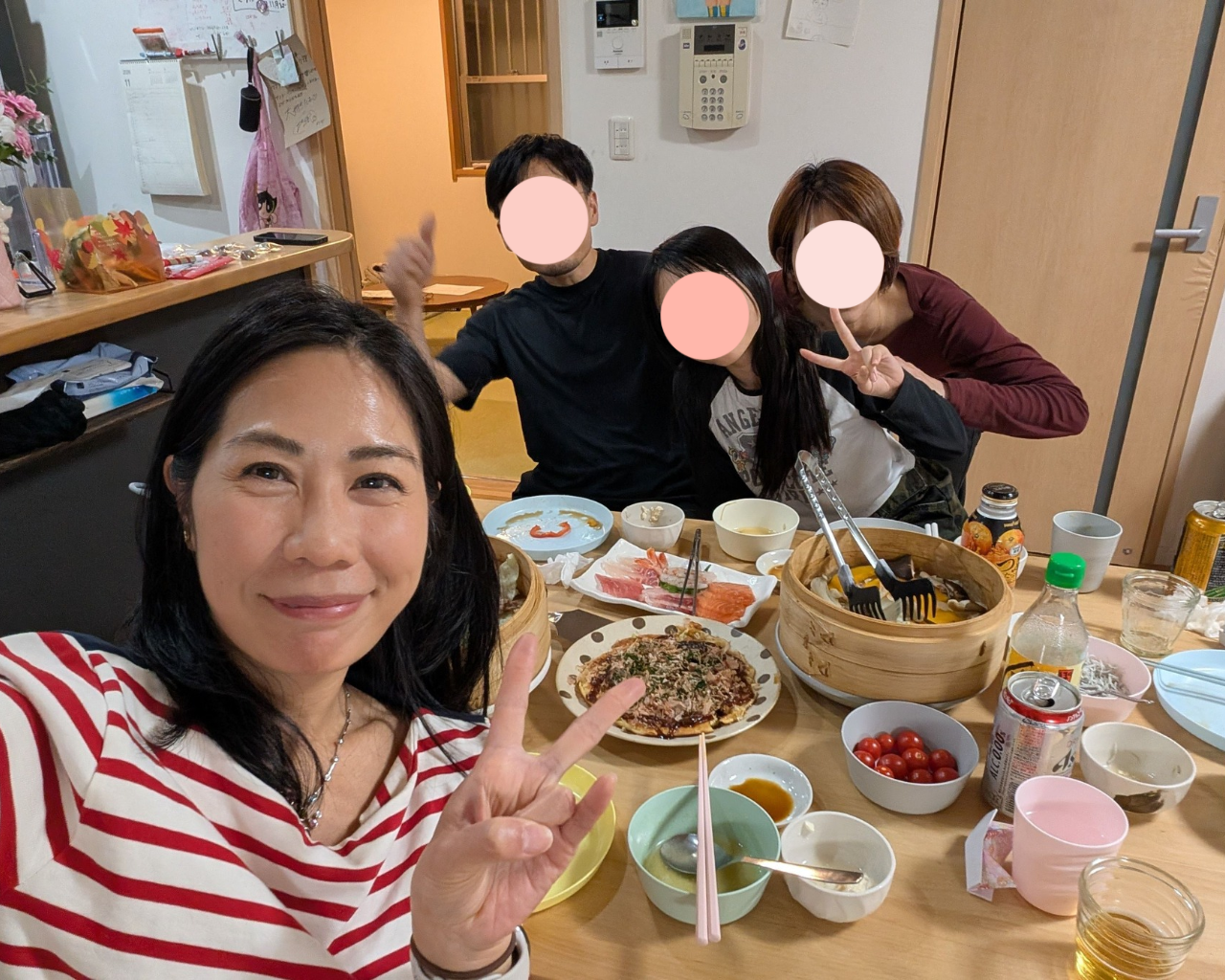
A host family in Japan can mean two different things. A Japanese homestay means living with a family for one night or longer, often for weeks while you study, and a school or agency usually arranges it. A shared meal with a host family lasts about 2 to 3 hours, with no overnight stay, so it fits a short trip.
Both give you time in an ordinary Japanese home. The right choice depends on how long you will be in Japan and whether you need a place to sleep.
Japanese homestay VS a meal with a host family
The biggest difference is simple: a homestay includes nights in the family’s home, and a meal does not. The table compares the two options on the points travelers usually ask about first.
| Homestay | Meal with a host family | |
|---|---|---|
| Length | From one night to several months, often weeks or longer | About 2 to 3 hours |
| Overnight stay | Yes, you live in the family’s home | No, you sleep at your own hotel or other accommodation |
| Main purpose | Language study, a school exchange or a long stay | Sharing one home-cooked meal and talking |
| Time with the family | Mostly mornings, evenings and weekends, around the family’s work and school | 2 to 3 hours together, mostly talking at the table |
| Often suits | Students and people who stay in one place for weeks | Travelers on a short trip who move between cities |
| How it is arranged | Through a school, university, exchange program or homestay agency | Through a program that matches travelers with local hosts |
| When to plan | Often 1 to several months before you arrive | Often a few weeks before, especially in big cities |
How a homestay with a host family in Japan works
A homestay means you live as part of a Japanese household for a set time. You usually have your own room, eat some meals with the family, and follow the house rules. Many homestays are planned around study, so many programs are designed for stays of weeks, not single nights.
Some programs also use the term guest family for a family that welcomes visitors into their home.
Who a homestay suits
A homestay often works well for these people:
- Students at a language school or university in Japan
- High school students on an exchange program
- People who will stay in one city for several weeks or more
- Learners who want to practice Japanese every day at home
How to find a homestay in Japan
Most people find a homestay through the school they will attend. Many language schools and universities offer homestay as one housing option, often through an agency that matches students with families. Some agencies also take direct applications, but check their minimum stay and age rules first.
If you are moving to Japan to study, it helps to compare a homestay with other housing options for international students, such as dormitories and apartments.
Short homestays are less common, but they exist. Some language schools offer weekend homestays of one or two nights, usually for their own students. In some rural areas, local tourism associations match travelers with families for farm stays in the Japanese countryside, where you can stay a night or two and try farm work or cooking with them.
What to check before you choose a homestay
Ask the school or agency about these points before you agree:
- How long the trip is from the home to your school
- Which meals are included, and on which days
- House rules, such as a curfew, bath times or telling the family when you will be late
- Whether there are children, pets or other students in the home
- What the price covers, including any placement fee
Small habits matter in a shared home. Tell the family early if you will miss a meal or come home late, because many households plan meals and baths around everyone’s schedule.
Who a shared meal with a host family suits
A meal with a host family suits travelers who want time in a local home but already have a place to stay. It usually fits into one afternoon or evening, so you can keep the rest of the day for other plans.
It often works well for these travelers:
- People on a trip of one or two weeks who move between cities
- Families, couples and solo travelers who want to talk with locals
- People who want to try home cooking rather than restaurant food
- Travelers who are not ready to stay overnight in a stranger’s home
A short meal can still show a lot of daily life. One guest had looked on Google for ways to connect with locals, then joined Borderless Visit and shared meals with two different host families on the same trip.
The first meal was lunch. The host was a good cook and made simple dishes with fresh, seasonal ingredients from the market, and the guest liked how fresh and good they were. They also tried a tea ceremony together. Afterward the guest said, “I felt part of the local now.”
Friends of the host joined that lunch too, and everyone talked about their own lives, like friends at a get-together. The second meal was in the evening. The family made okonomiyaki, a savory pan-fried pancake, at home, and they talked about travel, food and daily life.
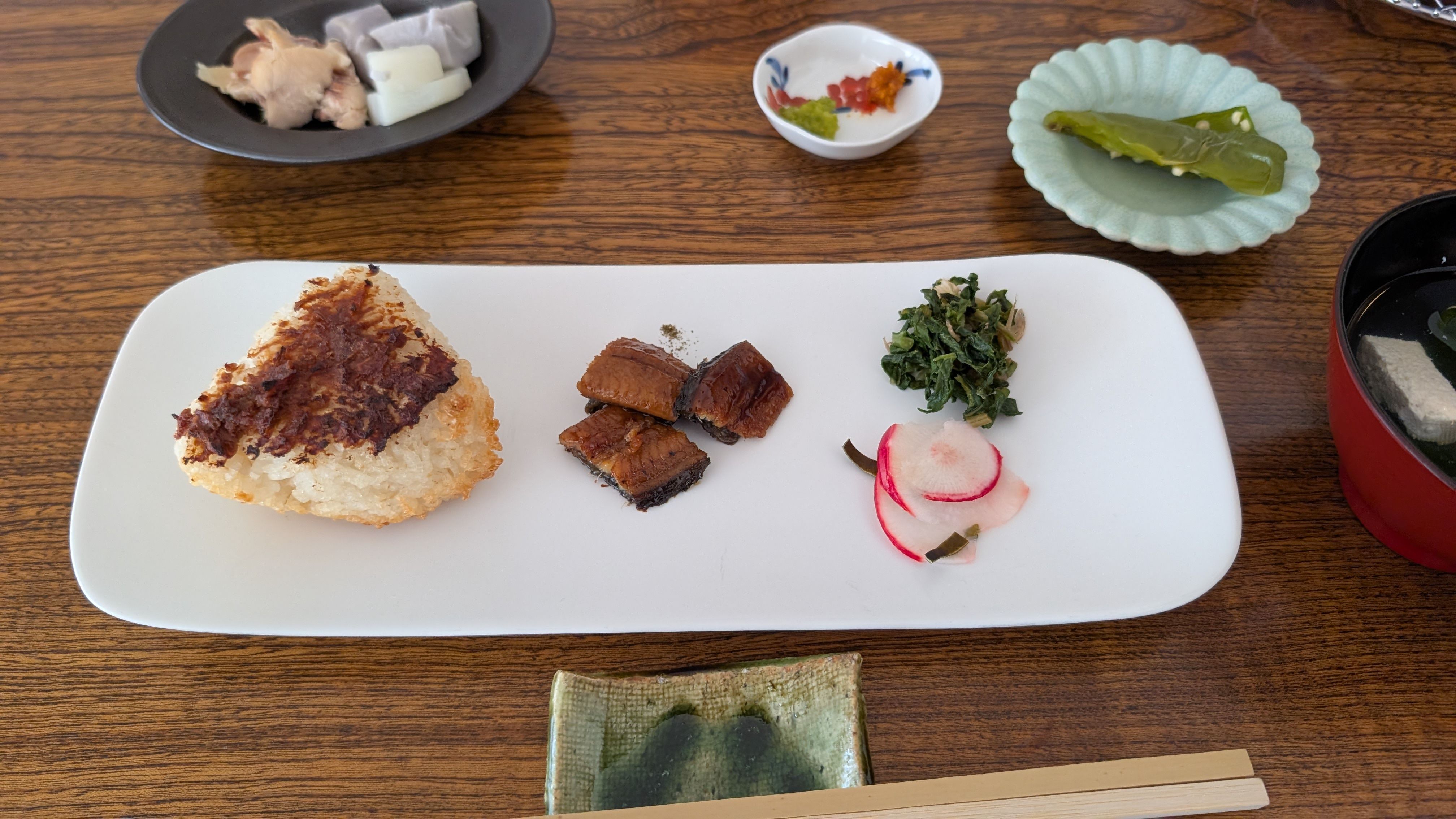
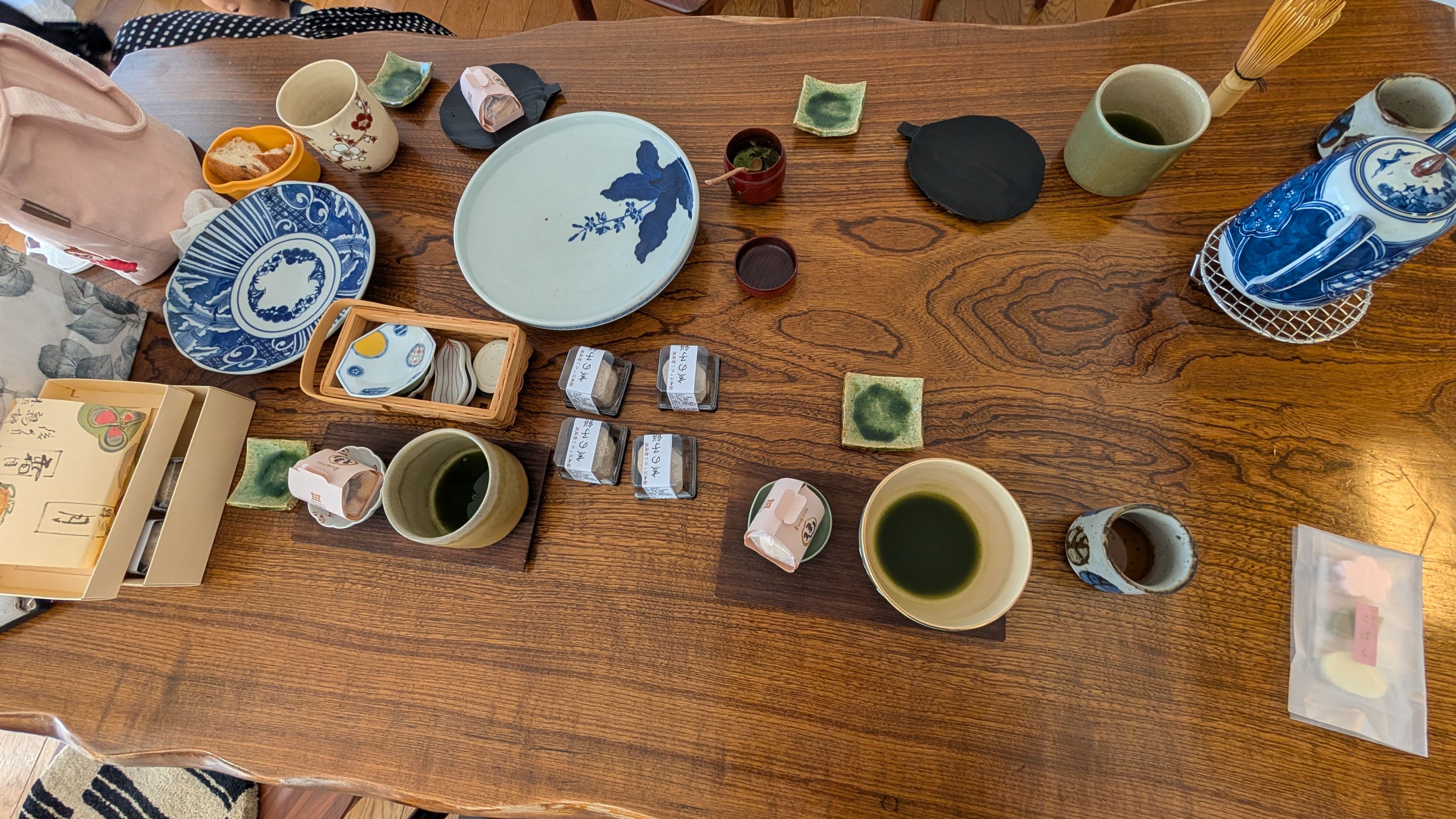
“Just felt right like visiting an old friend’s family.”
A guest who shared two meals on one trip
If you want to see everyday life but do not need a bed, a few hours at a family’s table can be enough. To learn what usually happens at the table, read about what a meal in a Japanese home is like.
How to choose between a homestay and a meal
Start with two questions: how many nights you will spend in one place, and whether you need a home base. Your answers usually point to one option.
A homestay may suit you if
- You will stay in one city for several weeks or more
- You are studying Japanese or joining a school program
- You want to take part in family routines every day
- You are comfortable with house rules and shared schedules
A meal with a host family may suit you if
- Your trip is short, or you change cities often
- You already have a hotel or other accommodation
- You want one relaxed meal and a long conversation
- You would like to try a home setting for a few hours first
Common mix-ups to avoid
A few mistakes come up often when travelers compare the two:
- Assuming any homestay will take you for a night or two. Most city programs are built for longer stays, and short options are limited to some weekend programs and rural farm stays, so check the minimum length of stay first.
- Treating a homestay like a hotel. The family expects you to join daily life and not only sleep there.
- Expecting a meal program to include a bed. A shared meal has no overnight stay, so book your accommodation separately.
The two options can also work together: you can study with a homestay and still join a meal with another family when you travel.
Sharing a meal with a host family through Borderless Visit
Borderless Visit (formerly Nagomi Visit) is a cultural exchange program that connects travelers with local Japanese host families for a home-cooked lunch or dinner. It is not a homestay and does not offer accommodation, so you go back to your own hotel after the meal. The time at the host’s home is usually 2 to 3 hours, and the hosts are volunteers.
As of November 2026, more than 12,000 guests from over 80 countries and regions have joined more than 5,600 visits, and more than 700 host families are registered in 39 prefectures. The program has also appeared in the media and in travel guidebooks.
If you will spend weeks in one place, start by asking your school or a homestay agency about a host family in Japan. If you only have a few days in each city, keep your hotel and plan one meal with a local family.