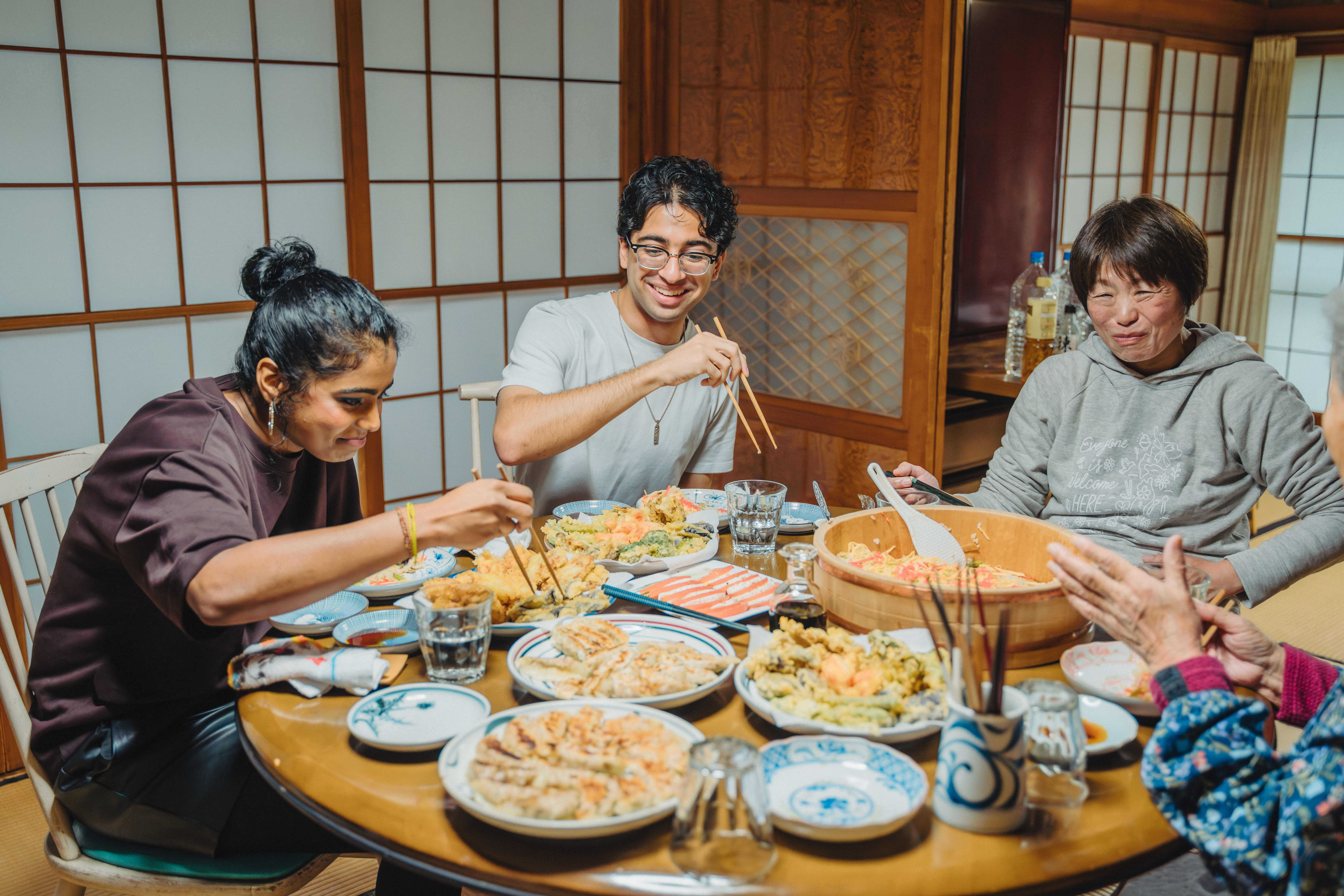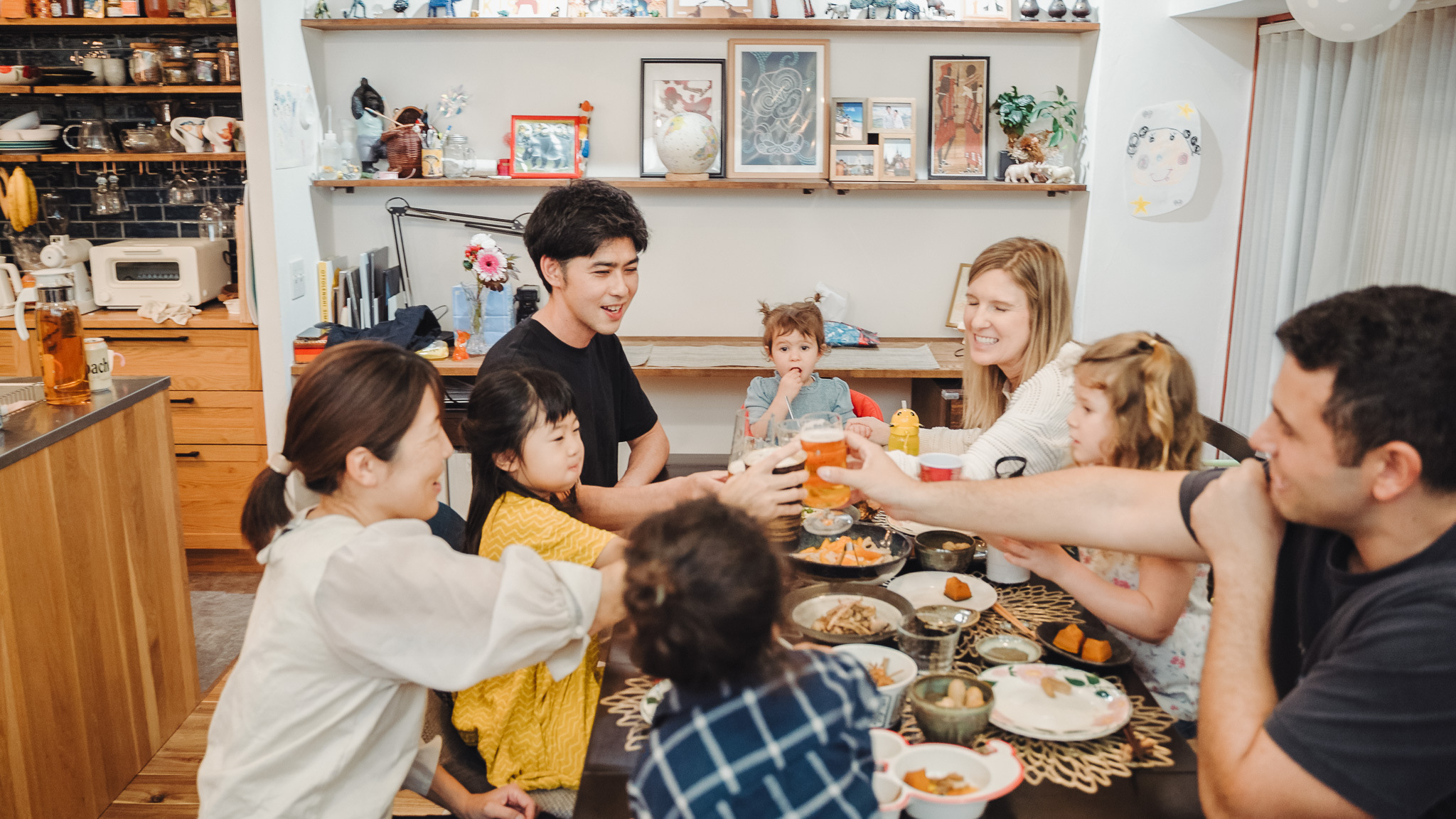
There are three common ways to dine with a local family in Japan: accept an invitation from someone you know, stay with a family on a homestay, or share a meal with a host family through a program that matches travelers with local hosts. The best choice depends on who you know, how much time you have and who you travel with.
Three ways to dine with a local family in Japan
Each way starts in a different way and needs a different amount of planning. The table gives a quick view, and the paragraphs below look at invitations and hosted meals in more detail.
| Way to share a family meal | How it usually starts | Good to know |
|---|---|---|
| An invitation from someone you know | A friend, coworker or contact in Japan invites you to their home | You cannot plan or book it, because it depends on your connections |
| A homestay | A school or homestay organization places you with a family | The family meals come with staying in the home overnight |
| A meal with a host family (Borderless Visit) | You send a request and choose from the hosts who reply | A home-cooked lunch or dinner of about 2 to 3 hours, with no overnight stay |
An invitation to someone’s home is often a sign of trust in Japan. Many people meet friends at restaurants or cafes, and homes are usually kept for close friends and family. So it is normal not to be invited after one short meeting.
If you do get an invitation, reply clearly, ask what time to arrive, and mention any food you cannot eat. A small gift from your home country or region is a common way to say thank you.
A meal with a host family is the option you can arrange before your trip. Some programs connect travelers with local families who host a meal in their own home, so you do not need to know anyone in Japan.
How to choose the right way for your trip
A few practical questions usually point to the option that fits. Ask yourself:
- Do you already know someone in Japan? If not, an invitation is unlikely on a short trip.
- How much time do you have in each city? A meal at home moves slowly, so leave about half a day, including travel.
- Which cities will you visit? Which hosts are available depends on the city and the date, so check early.
- Who is coming with you? Everyone in your group should feel comfortable eating at a stranger’s table.
- Do you have strict food needs? Some needs are harder to manage in a home kitchen than in a restaurant.
If you have no contacts in Japan and only a few days in each city, a planned meal with a host family is usually the most practical way to have an authentic Japanese family dinner experience. If your main goal is simply to talk with people, there are also other ways to meet locals in Japan, such as language exchange events.
How a meal with a Borderless Visit host family works
Borderless Visit (formerly Nagomi Visit) is a cultural exchange program that connects travelers with local Japanese host families for a home-cooked lunch or dinner. It is not a restaurant, a tour or a homestay. Guests share a meal at the host’s home, usually for 2 to 3 hours.
An authentic Japanese family dinner experience does not have to happen in the evening, because the meal can be lunch or dinner. Hosts are local volunteers who enjoy cooking and meeting people from around the world. They include couples, families with children, people who live alone and groups of friends.
Matching happens in four steps:
- You send a request with your dates, city, number of people and a short introduction.
- Hosts who are available and would like to meet you send an offer with their profile.
- You choose one host and complete payment before the offers expire.
- You keep in touch with your host by message until the day of the meal.
Both sides choose, so the host you meet is one who wants to meet you. Send your request at least 72 hours before your date, and 2 to 4 weeks ahead if you can, especially for Tokyo and Kyoto.
Going to a stranger’s home can feel like a big step, so you never arrive at a door without contact first. Hosts live within 1 hour by public transport of the station you choose, and you usually meet at that station and walk to the home together. Guests verify their identity when they book, and the Borderless Visit team reviews guest profiles.
For fees and the full booking steps, see how booking works.
Who a meal with a local family suits
Borderless Visit welcomes families, couples, solo travelers and first-time visitors to Japan, and children of all ages can join. Travelers under 21 need an adult aged 21 or older with them, or written permission from a parent or guardian.
Solo travelers
Traveling alone in Japan can mean many quiet meals. Some solo travelers do not want to be alone the whole time and hope to talk with people who live in Japan. A meal at a family’s table gives you that time without having to start a conversation with strangers on the street.
Couples and friends traveling together
When you travel with a partner or friends, not everyone may feel the same about eating at a stranger’s home. One guest persuaded a hesitant companion by pointing out that it was only 2 to 3 hours: if they enjoyed it, good, and if not, it was only a small part of the trip.
One couple from the UK were not sure what to expect and felt a little nervous at first. From the moment they arrived, the family made them feel welcome, and they spent the evening sharing home-cooked food and getting to know each other. By the end, it felt like time with old friends.
Discuss it with your travel companions before you send a request, and agree on what each person hopes to get from the meal. Count everyone in the number of people on your request, and mention if one person has different food needs.
Families with children
With children, the meal can feel more relaxed. When the host family has children too, the children may play together and become part of the day. There is more about sharing a meal with a host family as a family on a separate page.
First-time visitors
A first trip is often full of new things, and a meal at a family’s table gives you time to ask about them, from the food to daily life. It is one way to add a real Japanese experience next to the famous sights.
When it may not be the right fit
A meal with a host family may not suit you if:
- You want a professional cooking lesson with set recipes. Many hosts like the idea of cooking together, but it is an equal sharing in a home kitchen, not a lesson.
- You want restaurant-style dishes. Hosts cook the everyday food they can make in their own kitchen.
- You need a guarantee for a serious allergy. A home kitchen cannot fully rule out cross-contamination or hidden ingredients, such as fish stock or gluten in soy sauce.
- Your plans leave no open half day in the city where you want to meet a host.
How to prepare for a meal in a Japanese home
Most preparation happens in the messages before the meal, and a few small habits help on the day.
Before the meal
Your introduction and messages help a host decide to meet you, and they help both sides plan:
- Write a short introduction: who is coming, what you enjoy, and what you would like to talk about.
- Be specific about food. “No meat, but eggs and dairy are fine” helps more than one word such as “vegetarian”.
- Say what you would like to do, such as visiting a local supermarket or cooking together.
One guest told the host family in advance what they hoped to do during the meal. One couple from Australia messaged their host before they met, and on the day the host cooked with them as well as for them. Her children were excited to meet the guests, and the couple have kept in touch since.
If you would like to cook together, ask early, because it depends on the host’s home and daily routine.
On the day
These small things make the first minutes easier:
- Bring a small gift from your home country. It makes a good conversation starter.
- In most Japanese homes, people take off their shoes at the entrance.
- Learn a few basic Japanese words, such as hello and thank you.
- Arrive on time, and tell your host as early as possible if you cannot come.
Common mistakes when arranging a meal with a local family
Most problems come from timing and expectations, and they are easy to avoid:
- Waiting until the last few days. As the timing above shows, earlier requests leave more hosts time to reply.
- Offering only one date. More dates give more hosts a chance, and hosts who work on weekdays may have more time on weekends.
- Expecting to be served like a restaurant customer. The host and the guests share the meal as equals.
- Booking something right after the meal. Conversations often run longer than planned.
Treat the meal as time shared with equals: join the conversation and offer to help where you can.
Start by deciding which way fits your trip and checking your cities and dates. If you choose a hosted meal, you can send your request as soon as your travel dates are set.