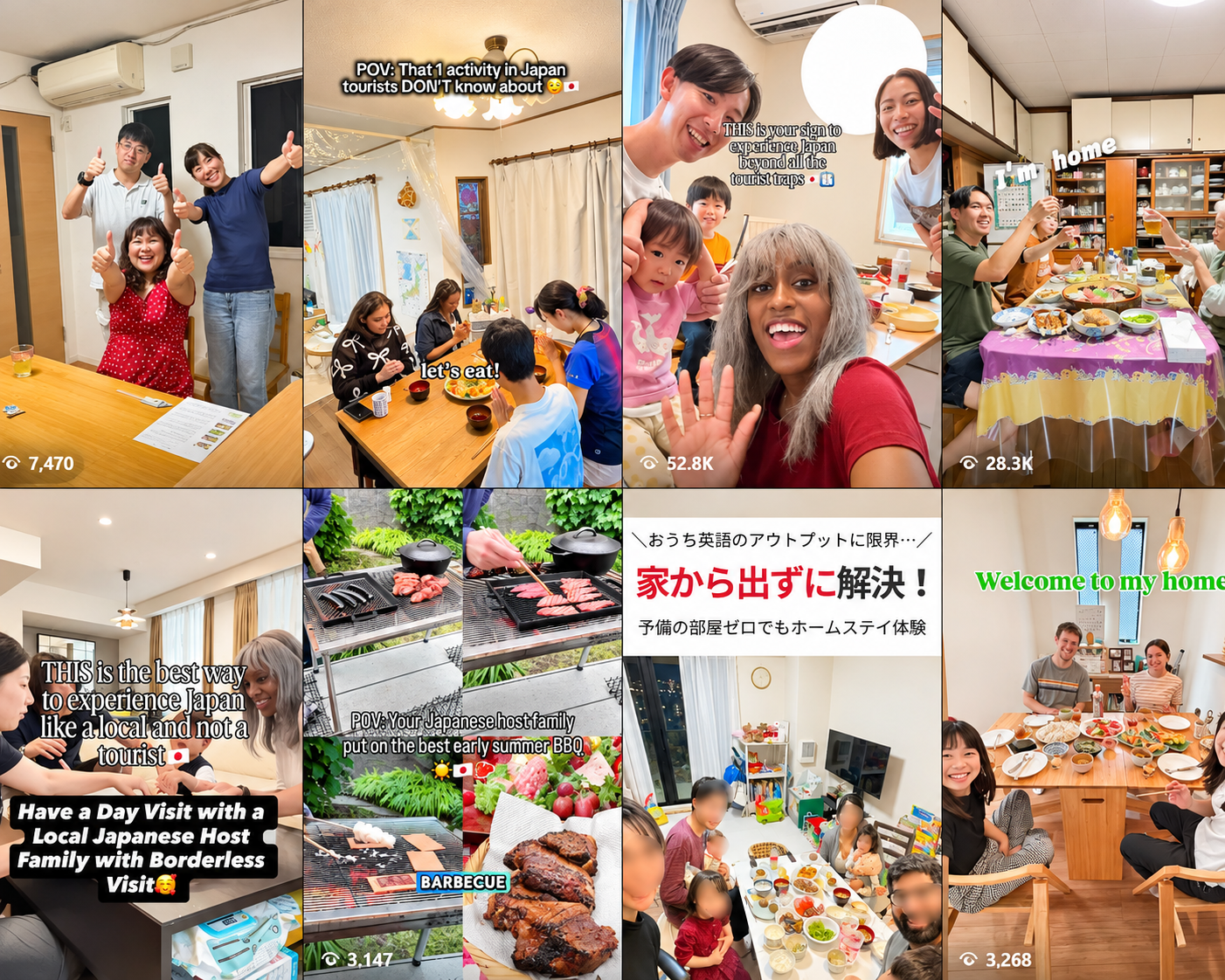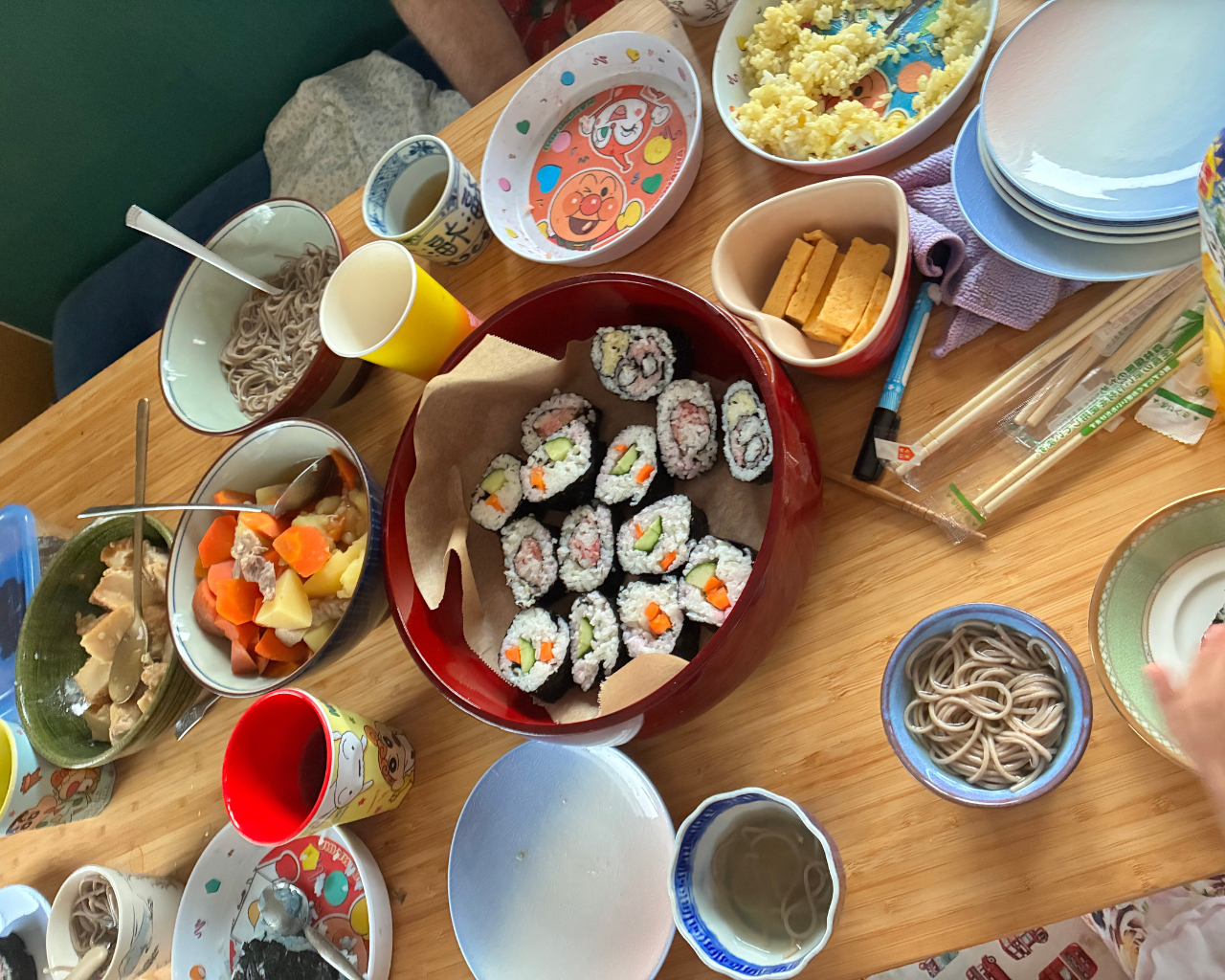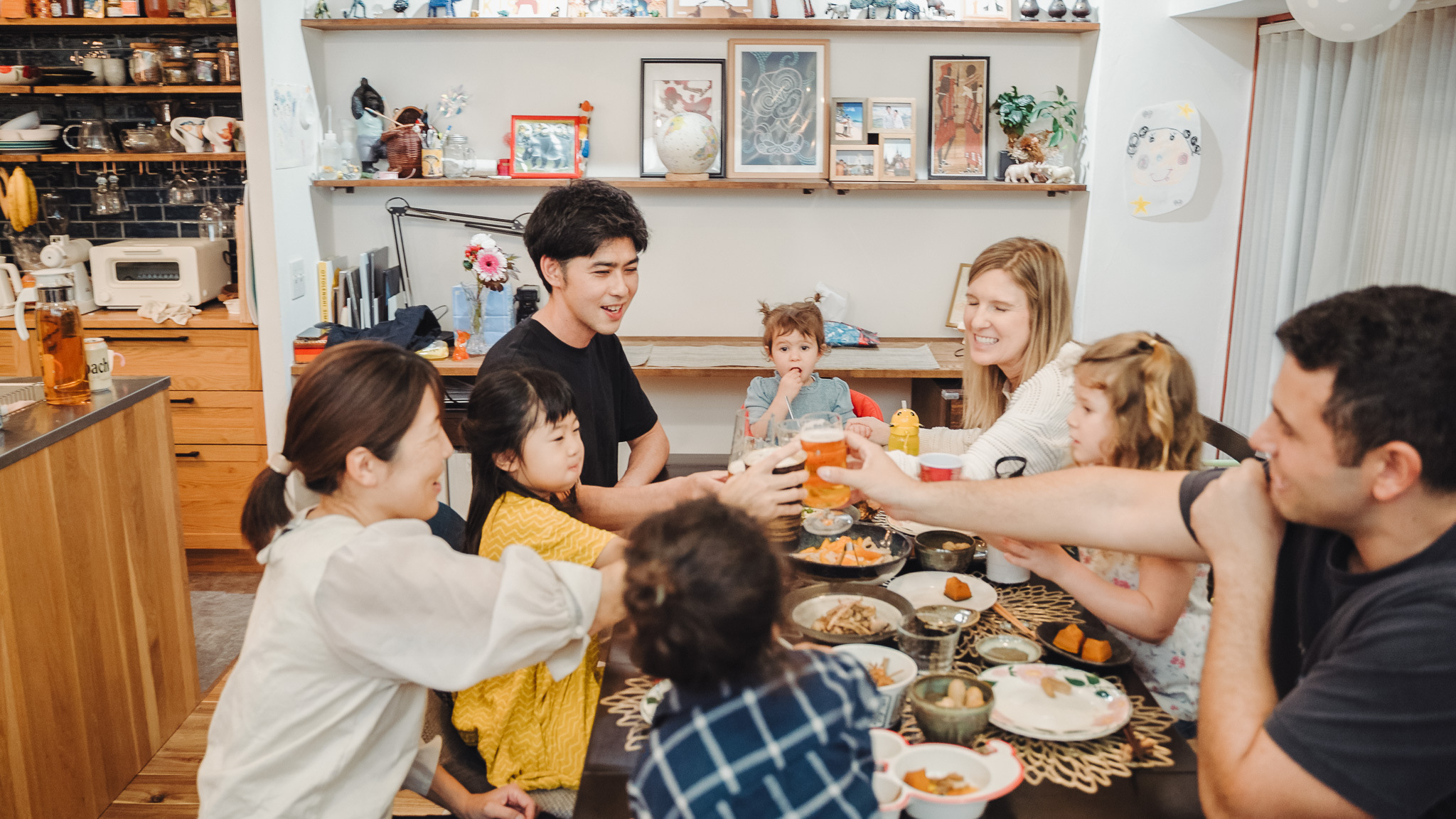
Yes, teenagers can join a home-cooked lunch or dinner at a Japanese host family's home. Teens often enjoy the visit more when parents prepare them in advance, so they know what to expect and have a role in the plan.
This guide covers how to involve your teen, and how to prepare them for the conversation and the food.
Plan the Visit Together With Your Teen
A teen who helped plan the visit usually knows what to expect. Involve them in these steps:
- Ask what they want from the visit, such as talking with the host's children if there are any, cooking, or learning a few Japanese words.
- Read host profiles together. Look for families with children, hosts who will cook together, and the languages each host speaks.
- Write the short self-introduction together, so the request sounds like your teen.
Prepare Your Teen for the Conversation
Shy teens often feel more at ease with a few things ready. Go over these points together:
- Think of a few topics to talk about, such as school, sports, music, games or where they live.
- Learn a few words in Japanese, such as arigatou (thank you) and oishii (delicious).
- Arrive on time. If plans change, tell the host as early as you can.
- Bring a small gift from your home country. It makes a good conversation starter, and your teen can help choose it.
- Take off shoes at the entrance, as many Japanese homes do. Ask the host if you are unsure.
Your teen does not need perfect Japanese or English. Hosts prepare to greet guests in English, but their level varies. It is common for one family member to lead the conversation while others use smiles, gestures and simple words.
Talk About Food Needs With Your Teen
If your teen has an allergy or a diet need, let them explain it in their own words, with your help. Be specific. "I eat eggs, but I cannot have fish stock" is clearer than "vegetarian." Message the host to talk through food needs before the meal.
Meals are cooked in a private kitchen, so the host cannot guarantee full protection from cross-contamination or hidden ingredients. Fish stock and soy sauce are common examples, since they can contain fish or wheat.
Hosts may not meet every request. Neither the host family nor Borderless Visit can take responsibility for a reaction to food. Teens with a serious allergy should carry an allergy card written in Japanese.
What One Family With Teens Experienced
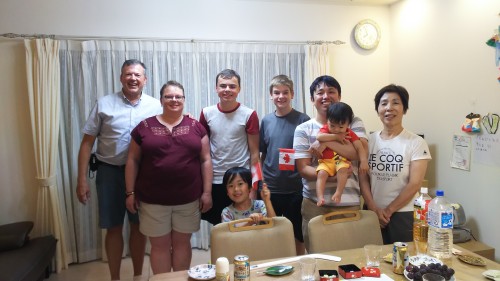
A family from Canada, traveling with their teenage son and his best friend, shared a meal with a young family in Hyogo Prefecture. The teenagers taught the host family's two little boys to play hockey, and the hosts made fresh tempura, including a version the guest could eat with a wheat allergy. It was the family's first trip to Japan.
Settling in Quickly
Everyone in the family was excited. They really liked the idea of visiting a family and seeing everyday life in Japan.
The two teenagers warmed up right away and played with the little boys. The family had brought mini hockey sticks as gifts, and the teenagers showed the boys how to play hockey with them.
"As a parent it was great to see the boys playing with each other even though they didn't speak the same language."
— A guest
A Meal Made for Everyone
The family enjoyed every part of the meal, and having tempura made fresh felt very special. The guest is allergic to wheat flour, so the hosts made special tempura with corn starch. Even the presentation, in bento boxes, was beautiful.
"They really made us feel special."
— A guest
What the Teenagers Added
Having the teenagers there definitely helped the adults interact with the little boys. It also gave everyone plenty to talk about, as the families compared school and their children's activities.
The guest found it nice and relaxing to spend time with a family, and it felt like more than just being a tourist. They were not nervous, and the meal was one of the highlights of their trip, both while looking forward to it and afterward.
How Borderless Visit Works for Families
Borderless Visit (formerly Nagomi Visit) is a volunteer-based program that connects travelers with local Japanese host families for a home-cooked lunch or dinner. It is not a restaurant, a tour, or a homestay, and there is no overnight stay.
Families with children of all ages are welcome, from babies to teenagers. You send a request with your dates, city, group size and a short introduction. Hosts who are available and interested send an offer, and you choose the one you prefer.
If you feel unsure about meeting a stranger, know that guests verify their identity when they book. The Borderless Visit team reviews guest profiles. After booking, you confirm the meeting point, then meet your host at a local station and walk to the home together.
| Guest age | Fee per guest |
|---|---|
| 13 years and older | 6,000 yen |
| 5 to 12 years | 4,000 yen |
| 0 to 4 years | Free |
Start with your dates and budget, then ask your teen what they want to get out of the meal. A short plan now can make the first few minutes at the table easier.