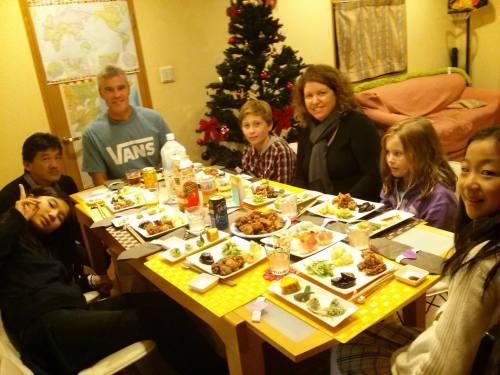
A real Japanese experience usually means taking part in everyday life in Japan, not only watching it. It can mean eating food that families cook at home, talking with ordinary people, or spending time where locals live and shop. It often comes from small, slow moments that sit next to the famous sights.
Why travelers look for a "real Japanese experience"
When people say they want a real Japanese experience, they rarely mean that temples or famous streets are fake. They want to see how people in Japan live from day to day. They also want to be part of that life for a few hours.
The wish can come after a first trip, or partway through one. A traveler may have seen many beautiful places but notice that most of their conversations were with hotel staff, shop clerks and other visitors. What they want next is simple: an ordinary talk with someone who lives there, and maybe a meal together.
What "real" does not mean
A real experience does not have to be rare, expensive or far from the cities. It is not a show prepared for visitors, and it does not have to go smoothly. Daily life includes quiet moments, slow conversations and simple food.
It also does not mean one "true" version of Japan. Customs, food and the way people talk vary by region, by family and by generation. Two travelers can have very different days, and both can be real.
Why famous sights alone can feel incomplete
Famous sights are part of real Japan, and many of them still matter to local people. The gap comes from how most visitors meet them: on a tight schedule, in a crowd, and from the outside.
At busy places, much of what you see is arranged for visitors, with set routes, signs in English and rows of souvenir shops. This is useful, but it leaves few chances to sit down with someone and talk without a script.
So there is usually no need to skip the sights. An authentic Japan experience often comes from adding some time with nothing planned, in places where people live, shop and eat.
One family lunch in Kumamoto: what "real" looked like
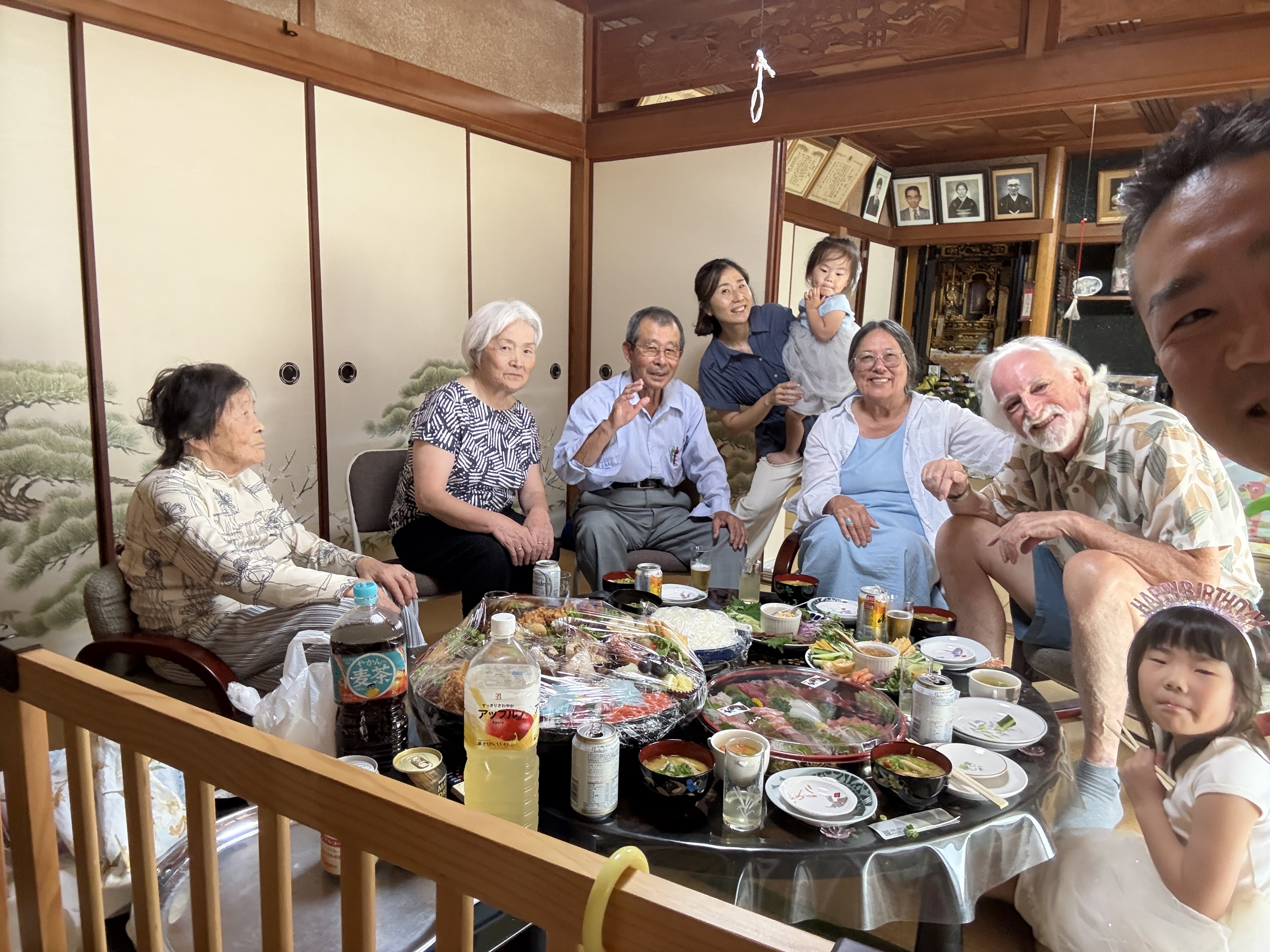
One guest who joined Borderless Visit was on her third trip to Japan, traveling with her husband in Kumamoto, in Kyushu. Even after two earlier visits, she said this lunch took the trip to a new level.
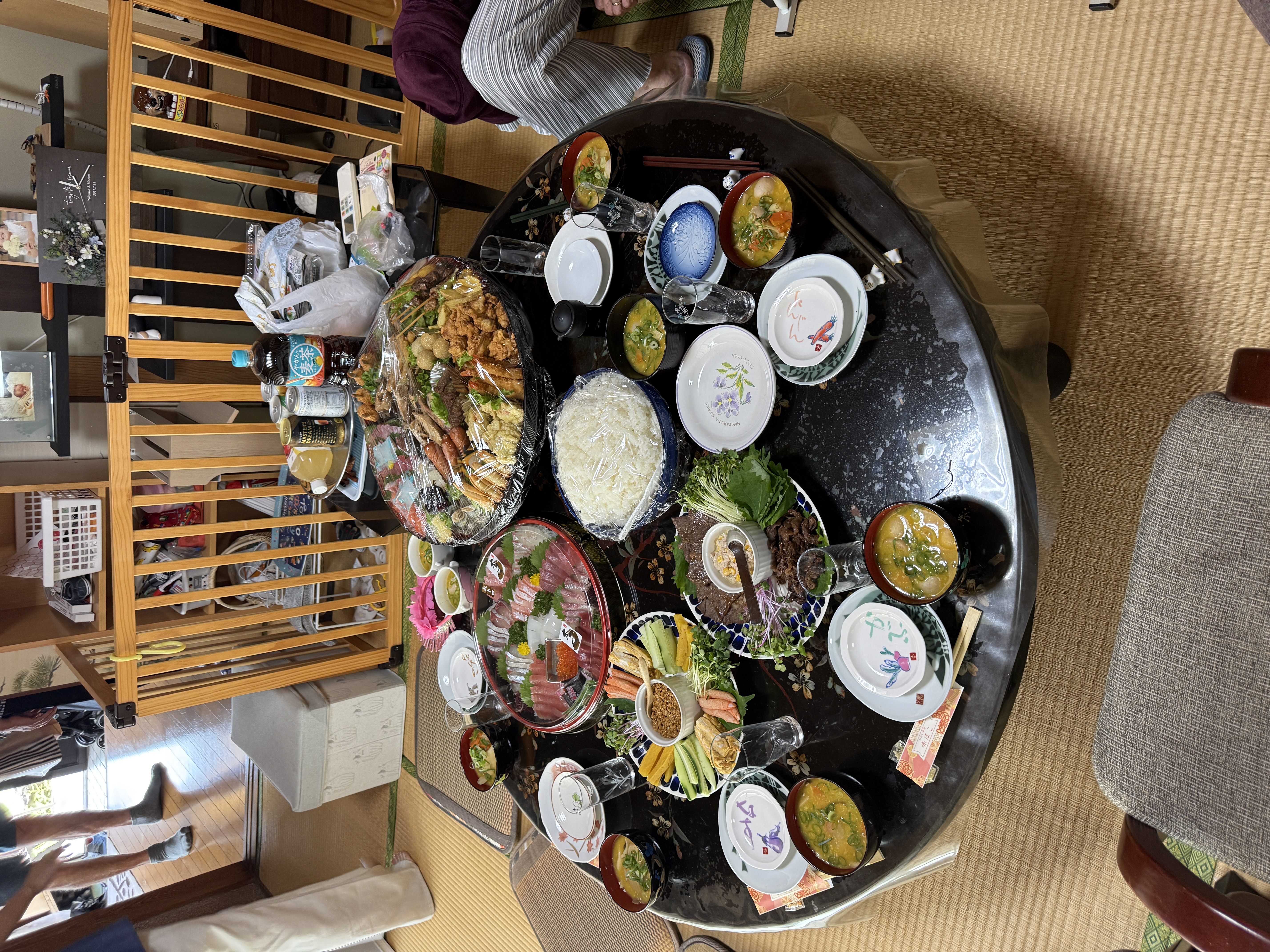
Four generations of one family, from the grandmother to the children, welcomed them into a traditional Japanese house. They served hachimori, a large platter filled with many dishes, and showed the guests how to roll temaki, hand-rolled sushi. They also made a soup with dumplings, a Kumamoto home dish that the host said you will not find in restaurants.
It was one of the children's birthdays, so the guests joined the celebration. The child was learning English and chatted with them happily, and the talk went on all afternoon.
Not everyone spoke much. Two of the men in the family understood English but were too shy to talk, though they kept smiling. Later, the guest's husband said he wished he had talked more with the father. For the guest, the day felt like a family Sunday meal back home.
"We felt totally at home."
— A guest
How to find an authentic Japanese experience on your own trip
Many everyday moments in Japan are open to anyone, and most need no booking. They are often easier to enjoy in smaller towns or at quieter times of day, but big cities have them too. Here are three to try.
Walk a neighborhood shopping street
Many residential areas have a shopping street, a lane lined with small shops such as bakeries, grocers and shops selling ready-made food. Go in the late afternoon, when people stop on their way home, and buy something small. Remember that these are working shops where people do their daily shopping. Ask before you take photos of staff or the inside of a shop, and step aside so local shoppers can pass.
Join a local festival
Towns and neighborhoods across Japan hold local festivals through the year, often linked to a shrine or to the season. Many have food stalls, music and a procession run by local groups. Check the local tourist information for festivals on your travel dates. On the day, watch from where the organizers allow, do not block the route, and ask before you photograph people who are taking part.
Try a public bath
A sento is a public bath where people from the neighborhood come to wash and soak. For a visitor, it is a calm way to share a small part of daily routine. The rule that matters most is simple: wash your body in the washing area before you get into the shared bath. If you are not sure about anything else, follow what the people around you do.
If your main goal is to talk with local people, there are also other ways to meet them, such as language exchange events.
How to prepare, and mistakes to avoid
You cannot plan everyday moments, but you can make room for them. A little preparation helps the most.
How to prepare
These small steps make it easier for ordinary moments to happen:
- Leave some open time in your plans, for example half a day with nothing booked.
- Learn a few words in Japanese, such as hello and thank you.
- Expect slow conversations, and use gestures or a translation app when words run out.
- Bring curiosity, and be ready to change plans.
You do not need to speak Japanese to enjoy everyday life in Japan, but it helps to slow down and use simple words.
Common mistakes to avoid
Some habits that work well for sightseeing can get in the way:
- Filling every hour, so there is no time to stop when something interesting happens.
- Expecting a show, when daily life is often quiet and plain.
- Treating homes and people as sights. In some popular areas, residents have asked visitors not to photograph people or private houses, so ask first and stay off private property.
- Expecting everyone to speak English. Many people speak little or none, and that is normal in their own country.
Sharing a meal in a local home
One way to see daily life up close is to share a meal at a family's table. You eat what they would normally cook, and the conversation moves at the pace of a meal.
Borderless Visit(formerly Nagomi Visit) is a volunteer-based program where travelers share a home-cooked meal with a local Japanese host family. The meal usually lasts 2 to 3 hours at the host's home.
Going to a stranger's home can feel like a big step, so the process starts with a request, not a visit. Hosts who are available and interested reply, and you choose the one that feels right. You verify your identity when you book, and you can message your host before you meet.
Leaving room for ordinary life is the simplest way to have a real Japan experience. A shopping street at the end of the day, a festival crowd or a hot bath can all become part of it. So can a long lunch at a family table.