To prepare for a meal with a Japanese family, message your host a few days before, say clearly what you cannot eat, plan your route so you arrive on time, and keep your phone online. Bring a small gift and a few photos from home, and learn two or three Japanese greetings.
Most of this work happens in the days before the meal, so you can arrive relaxed and ready to talk.
Message your host before the day
A short message before the meal helps both sides. Getting to know your host a little before you meet makes the first meeting much easier.
Start with something simple: say hello, say that you are looking forward to the meal, and share one or two things about yourself. Then use the same message to confirm the practical details.
These are the things worth checking before the day:
- The meeting place and the meeting time
- What you can and cannot eat, written in detail
- Whether the host would like to cook together
- The best way to reach each other on the day
With food, details matter more than labels. A word like vegetarian can mean different things to different people, so write exactly what you eat and what you avoid, for example fish stock or meat broth.
If your plans change, tell your host as early as you can, so the family has time to adjust.
Plan your route and arrive on time
Being on time is part of good manners in Japan, and trains help, because they usually leave at the exact minute on the timetable. Plan to reach the meeting place a few minutes early.
Unless your host suggests something else, take the train rather than a bus or taxi, because road traffic is harder to predict. Check your route the day before, including the transfers and the station exit. Large stations often have many exits, and the wrong one can make you late.
Plan your other meals around the day as well. Arrive hungry, and keep snacks earlier in the day light, because many hosts are happy to share several dishes.
Leave some room in your plans after the meal too. Conversation often runs longer than expected, and a tight schedule makes it hard to relax.
Keep your phone connected
A working phone is your safety net on the day. Most travelers stay online with a data SIM card, an eSIM plan or a rented pocket Wi-Fi router, and this overview of internet access in Japan compares the options.
Give your host a phone number that reaches you directly, and not the number of your travel agent or hotel. If you are running late, send your host a short message right away.
What to bring to a meal in a Japanese home
A few small things make the first conversation easier. A small gift from your home country makes a good conversation starter.
Other useful things to pack:
- Photos of your hometown, your work or your hobbies on your phone
- Pictures of the food people eat where you live
- A short list of questions you would like to ask the family
The family wants to know about you as much as you want to know about them, so share your stories openly. Write your questions down as you travel, because it is easy to forget them on the day. Your host may not know every answer, but a good question often starts a long talk.
Learn a few Japanese words before you go
A few words in Japanese show effort, and nobody expects them to be perfect. It helps to learn a few words in Japanese before the day, such as these greetings:
- Hajimemashite (hah-jee-meh-mah-shee-teh): nice to meet you, said only at a first meeting
- Arigato gozaimasu: thank you, in the polite form
- Sumimasen: excuse me, or sorry
Practice them on the train, and say the first one with a smile when you meet your host. Do not worry about your pronunciation, because people notice the effort far more than the accent.
What to wear when you take off your shoes
In most Japanese homes, you take off your shoes at the entrance, so wear shoes that are easy to take off and put back on. Boots with long laces will slow you down at the door.
Wear clean socks without holes, or bring a fresh pair in your bag. Going barefoot into someone's home is often seen as poor manners, although it may be fine in a relaxed family setting.
The host may offer you slippers. This guide to indoor manners explains the entrance area, slippers and rooms with tatami mats.
Preparing for a shared meal with a host family
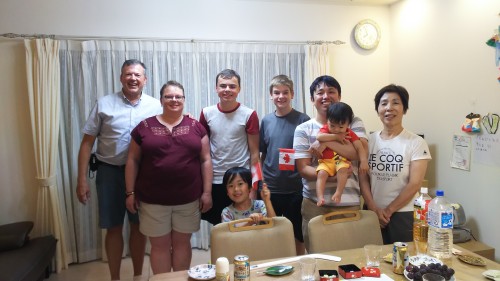
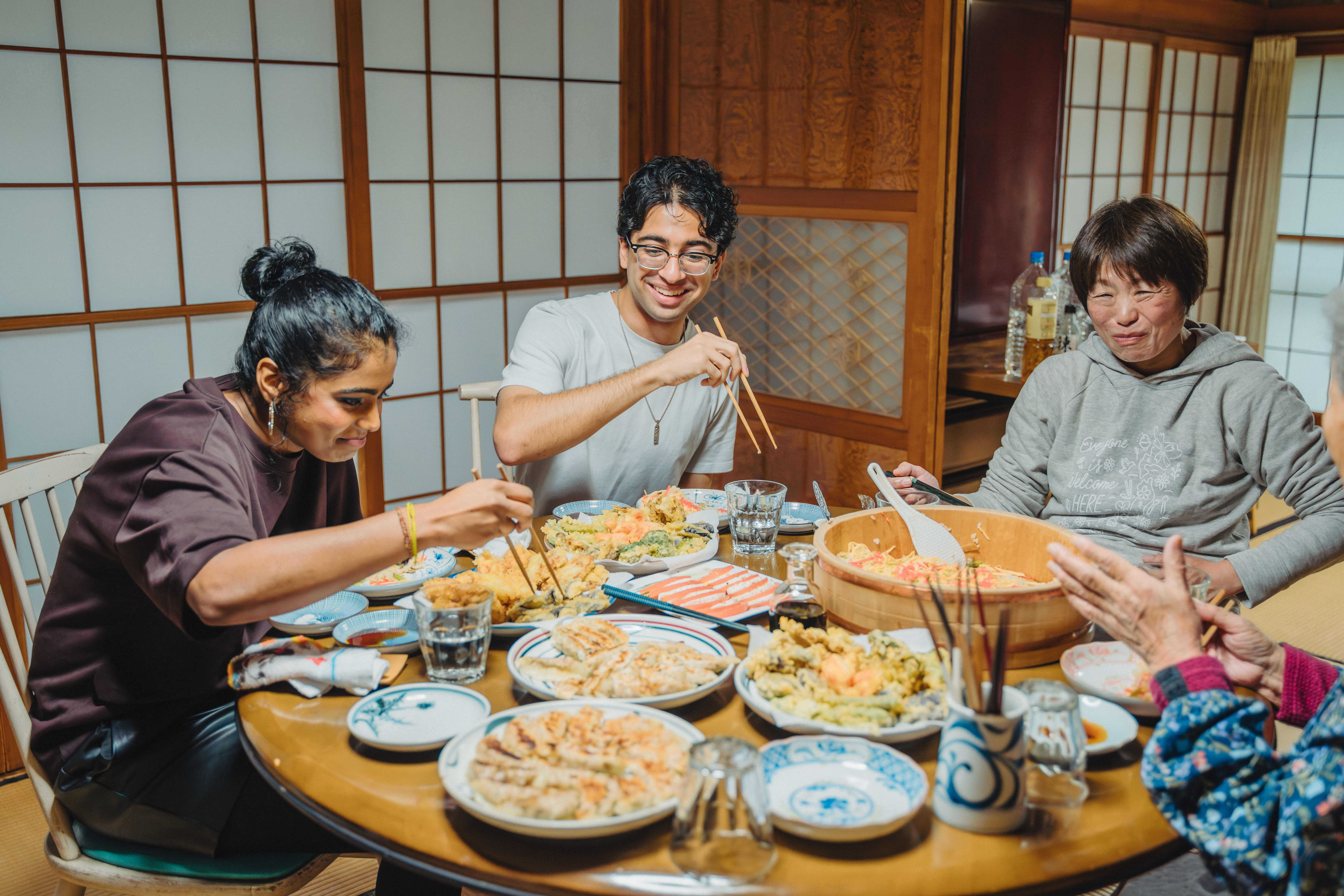
Borderless Visit (formerly Nagomi Visit) is a volunteer-based program where travelers share a home-cooked meal with a local Japanese host family. After booking, you can message your host directly to talk about the meeting place, your food needs and what you would like to do.
Many hosts like the idea of cooking together, as an equal sharing of everyday cooking at home. Food is made in a private kitchen, so hidden ingredients or cross-contact cannot be ruled out completely.
Guests under 21 need an adult aged 21 or older with them, or written permission from a parent or guardian.
The night before, check the meeting time once more, charge your phone, and put the gift and a pair of clean socks in your bag.