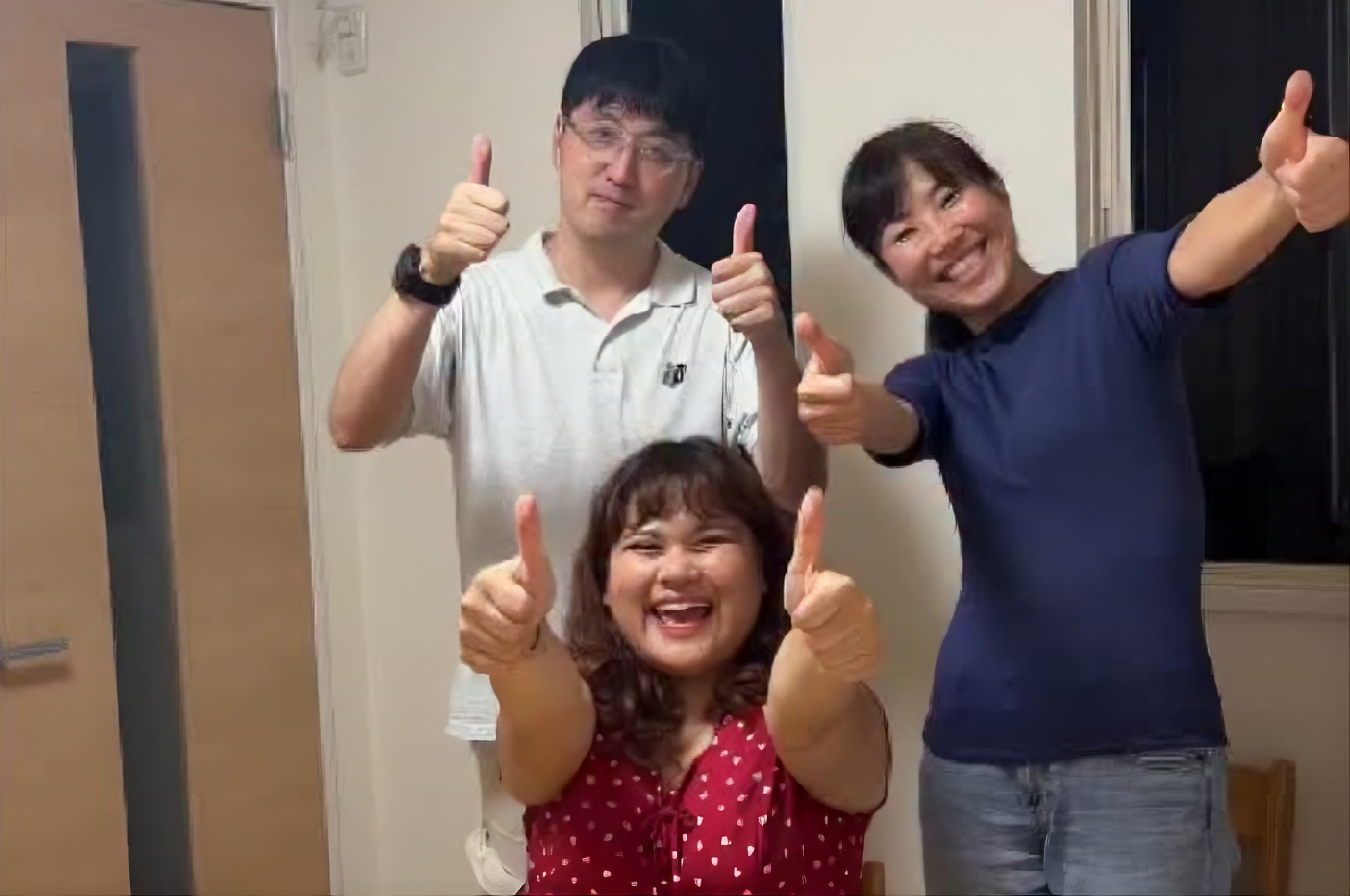
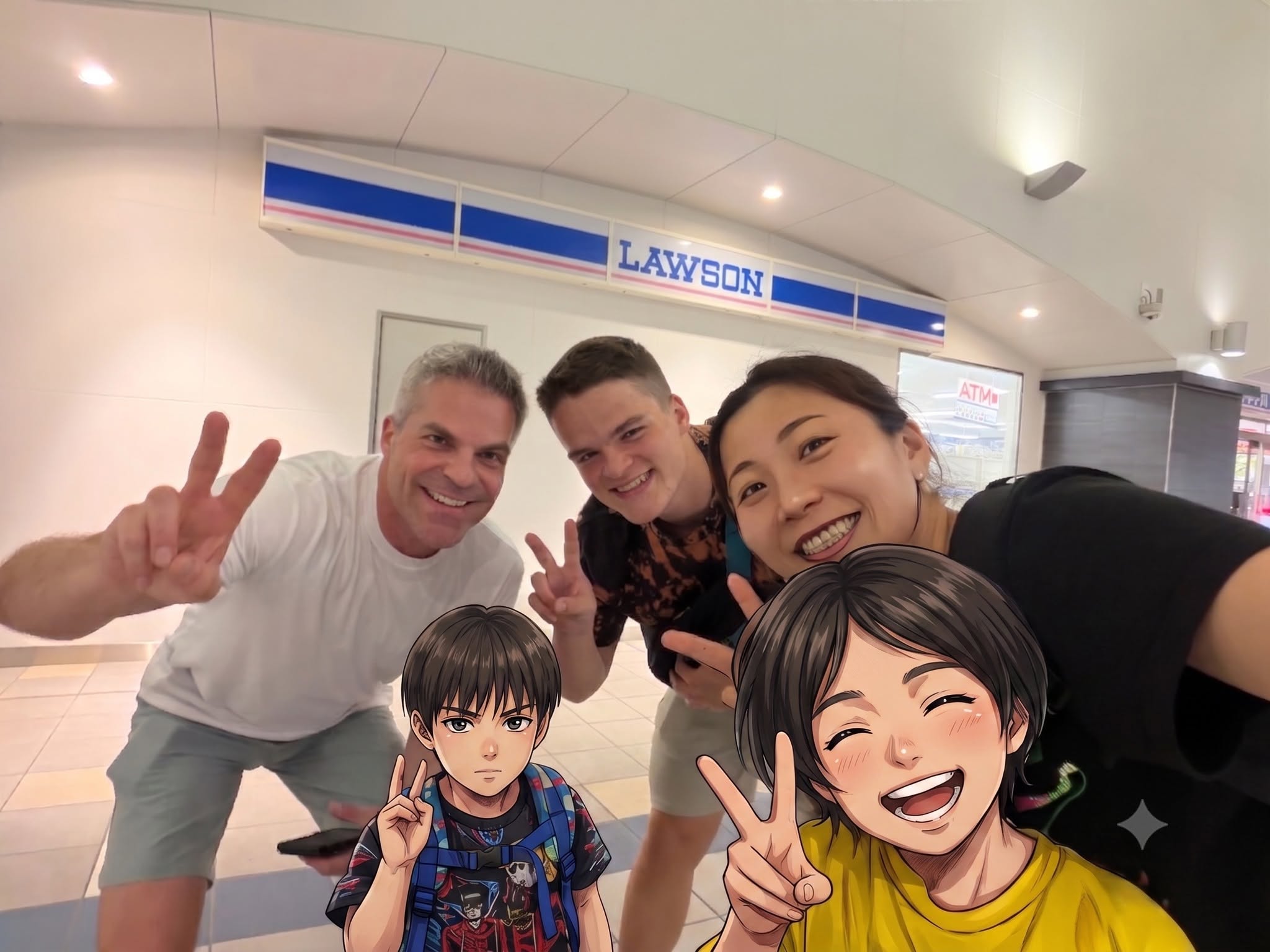
Today we're sharing a guest story from Ting, a Taiwanese traveler who has spent nearly a decade living in Japan and now calls Sweden home. She joined Borderless Visit as a guest for the first time, and here's what happened, in her own words.
Why I signed up
I've lived in Japan for close to ten years. The country is familiar to me in a lot of ways. But there's a difference between knowing a place and truly understanding how people actually live there.
What I've always looked for, whether traveling or living abroad, is that kind of real exchange: sitting across from someone, learning how they see things, and walking away with a perspective you didn't have before. Borderless Visit felt like exactly that kind of opportunity. Not another itinerary. Just a real home, and a real conversation.
What happened when I submitted my request
Within a few hours of submitting my request, I had received two separate invitations. Both hosts had taken the time to write genuinely warm messages: introducing who they were, a little about their family, and why they wanted to welcome me. I ended up choosing the host who had a personal connection to Taiwan, which felt like a good sign right from the start. Reading those messages, even before we'd met in person, I already felt at ease. It felt like being invited by someone who genuinely wanted to meet me, not just receive a guest.
Once we matched, we started messaging directly. We introduced ourselves properly and figured out together what we'd cook on the day. My host is learning Chinese, so our conversations naturally shifted between Chinese, Japanese, and English. Part language exchange, part getting-to-know-you, all before we'd even met in person.
How the booking process works
The visit itself
My host, Mihorin, lives near Kansai International Airport. It was raining on the day, and she drove to the station to pick me up.
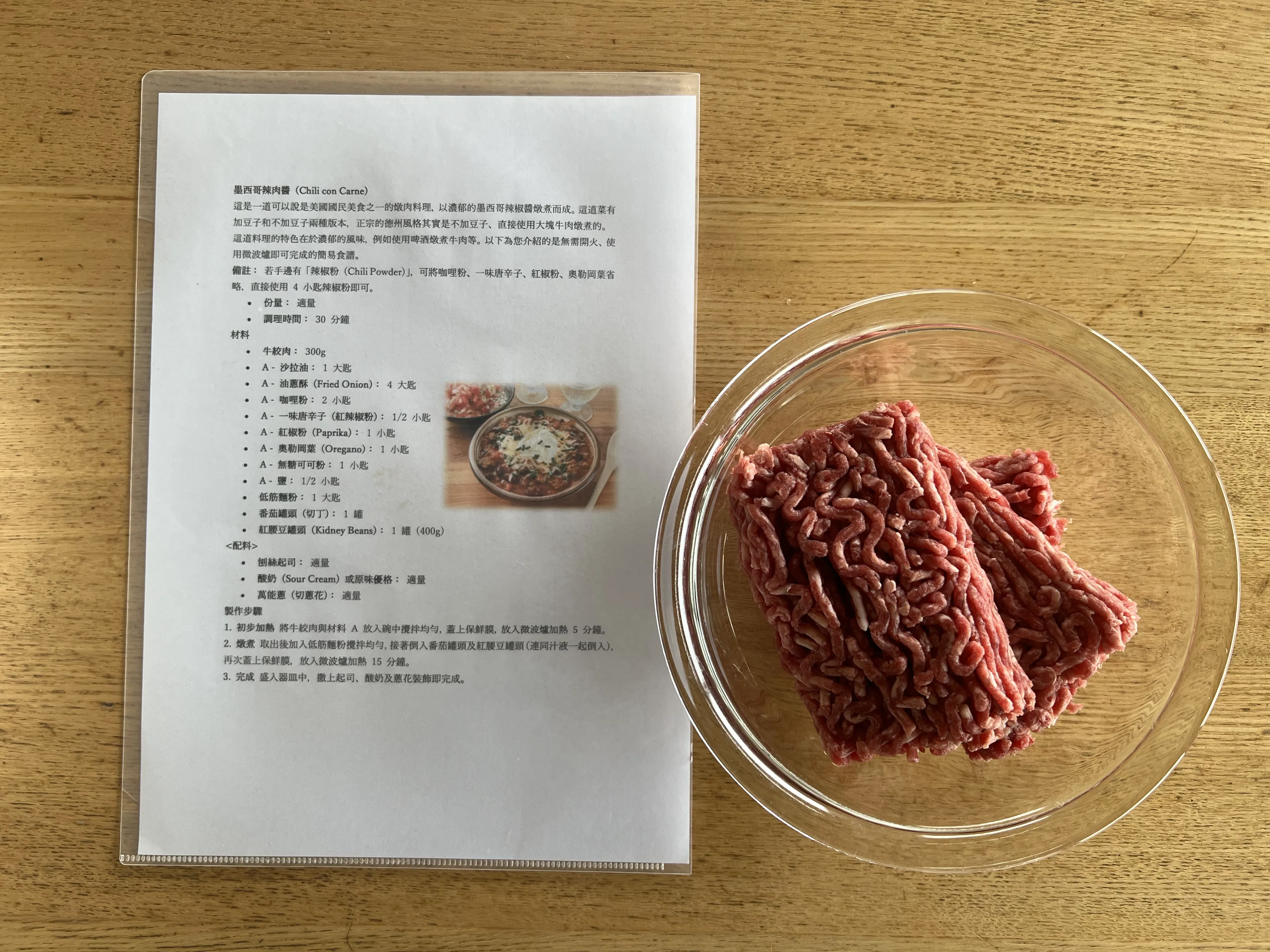
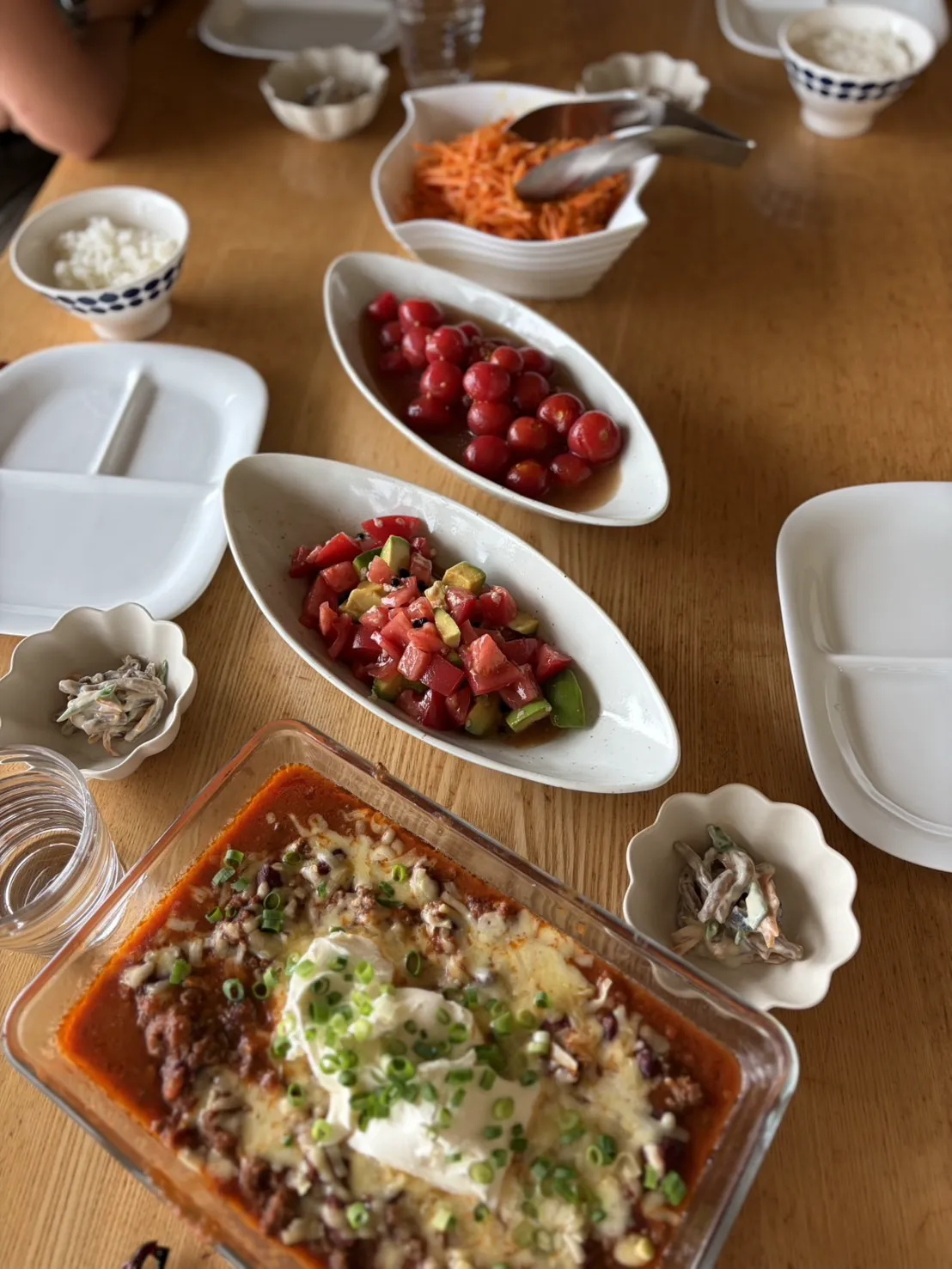
We'd talked beforehand about what to cook, and I'd mentioned I was living in Sweden and wanted recipes I could actually make at home. Mihorin took that seriously. She prepared the menu in advance and even prepared the instructions in Chinese. We cooked together that afternoon, and I came away with recipes I actually still use.
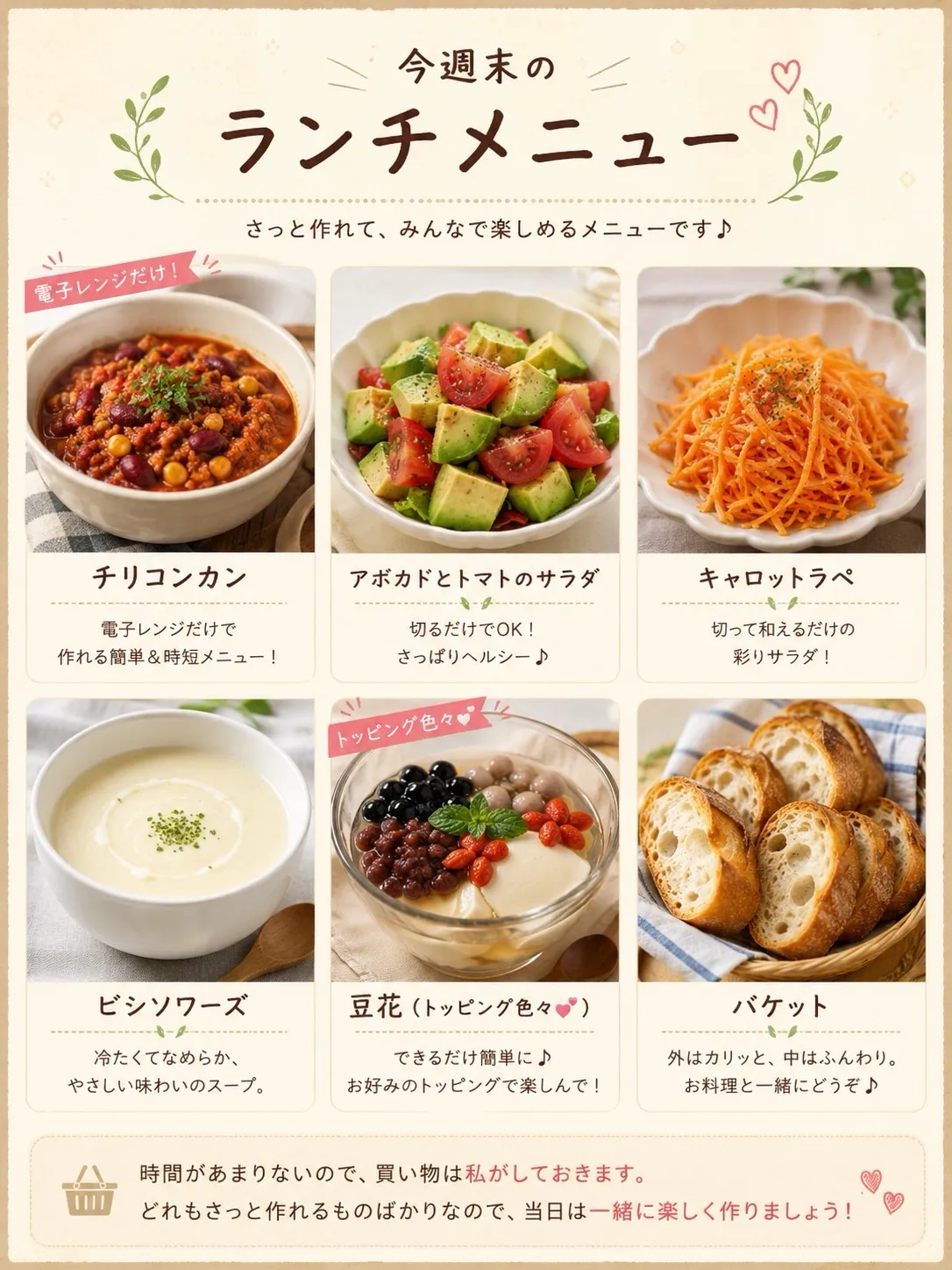
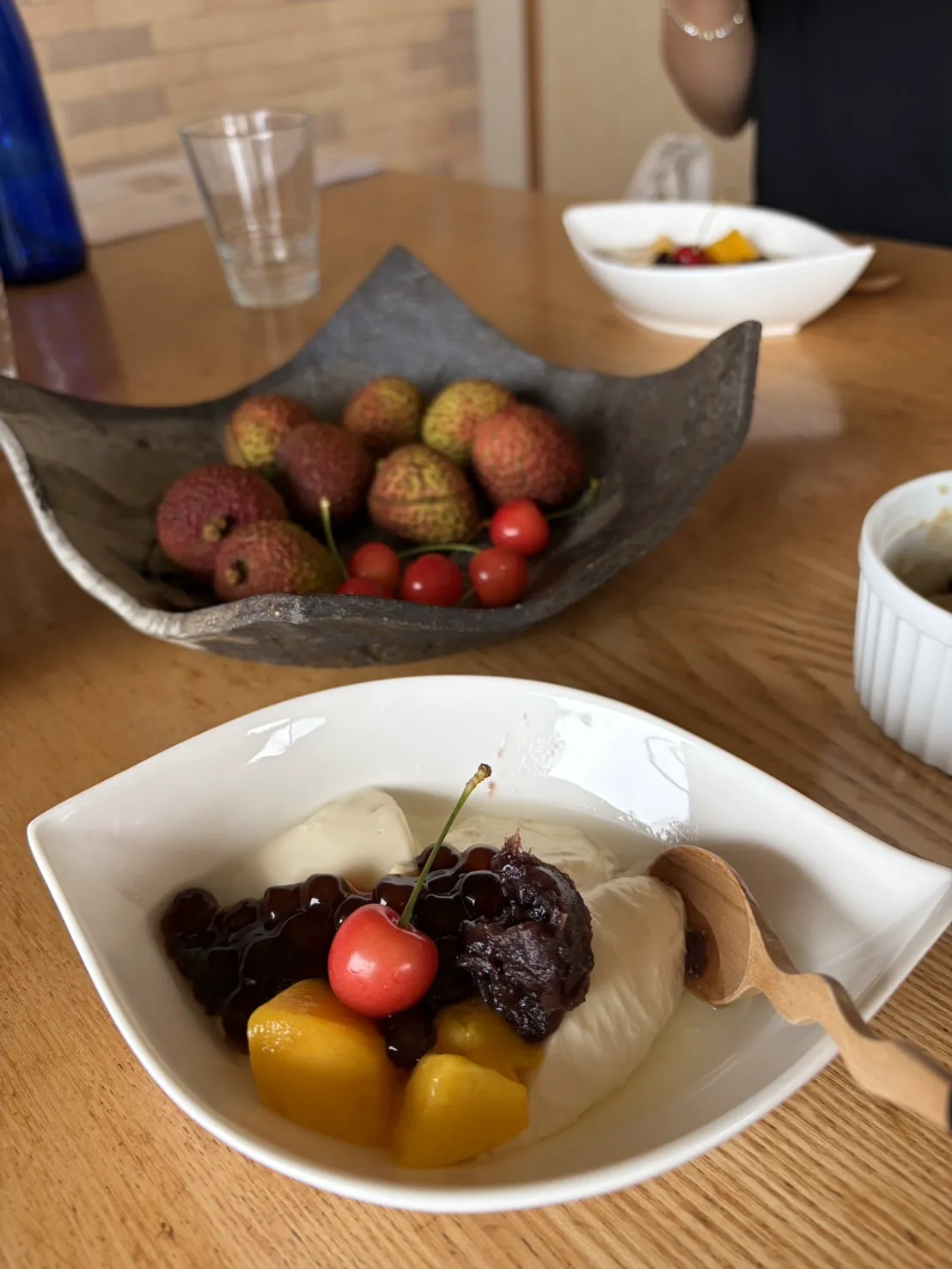
She also made douhua (豆花) from scratch: a classic Taiwanese dessert, soft silken tofu served warm or cold in a light sweet syrup. It was her way of making something personal.
Looking back, that detail still stands out to me. She hadn't just planned a menu; she'd thought about what I would actually do with it after I went home. The Chinese instructions, the choice of dishes, the way she'd made the whole afternoon feel like something prepared just for me. It's the kind of care you don't expect, and don't forget.
Where the Real Conversation Happened
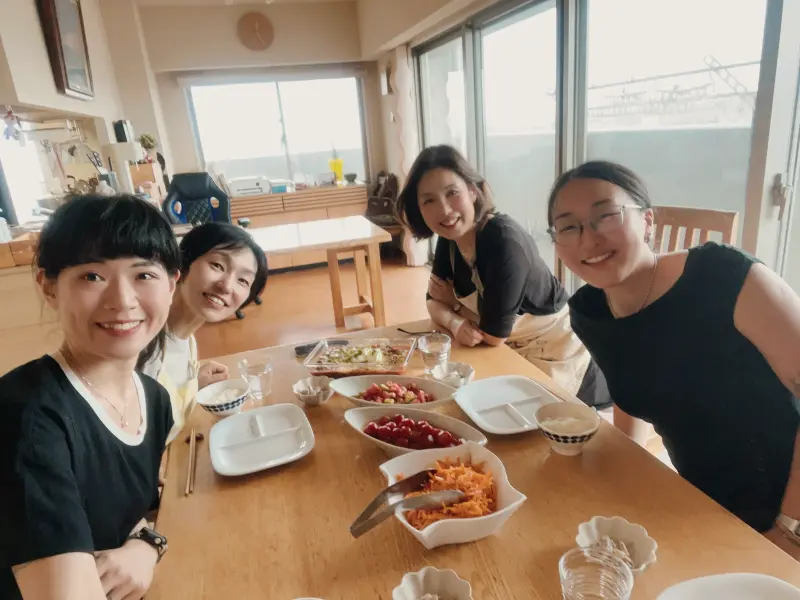
She had two friends over as well: a Japanese mother, and a woman who'd grown up in Europe with Japanese roots. The four of us cooked, ate, and ended up talking for hours.
About cultural differences between Japan, Taiwan, and Europe: the unwritten rules, the social habits, the things that feel normal in one place and quietly confusing somewhere else. About living between countries, the small adjustments you stop noticing after a while, and the things that still catch you off guard years in. About food, family, and the everyday things you never think to explain until someone from somewhere else asks. The kind of conversation where everyone has something to share, and everyone walks away with something new.
I left that afternoon with a few more people I'm genuinely glad to know.
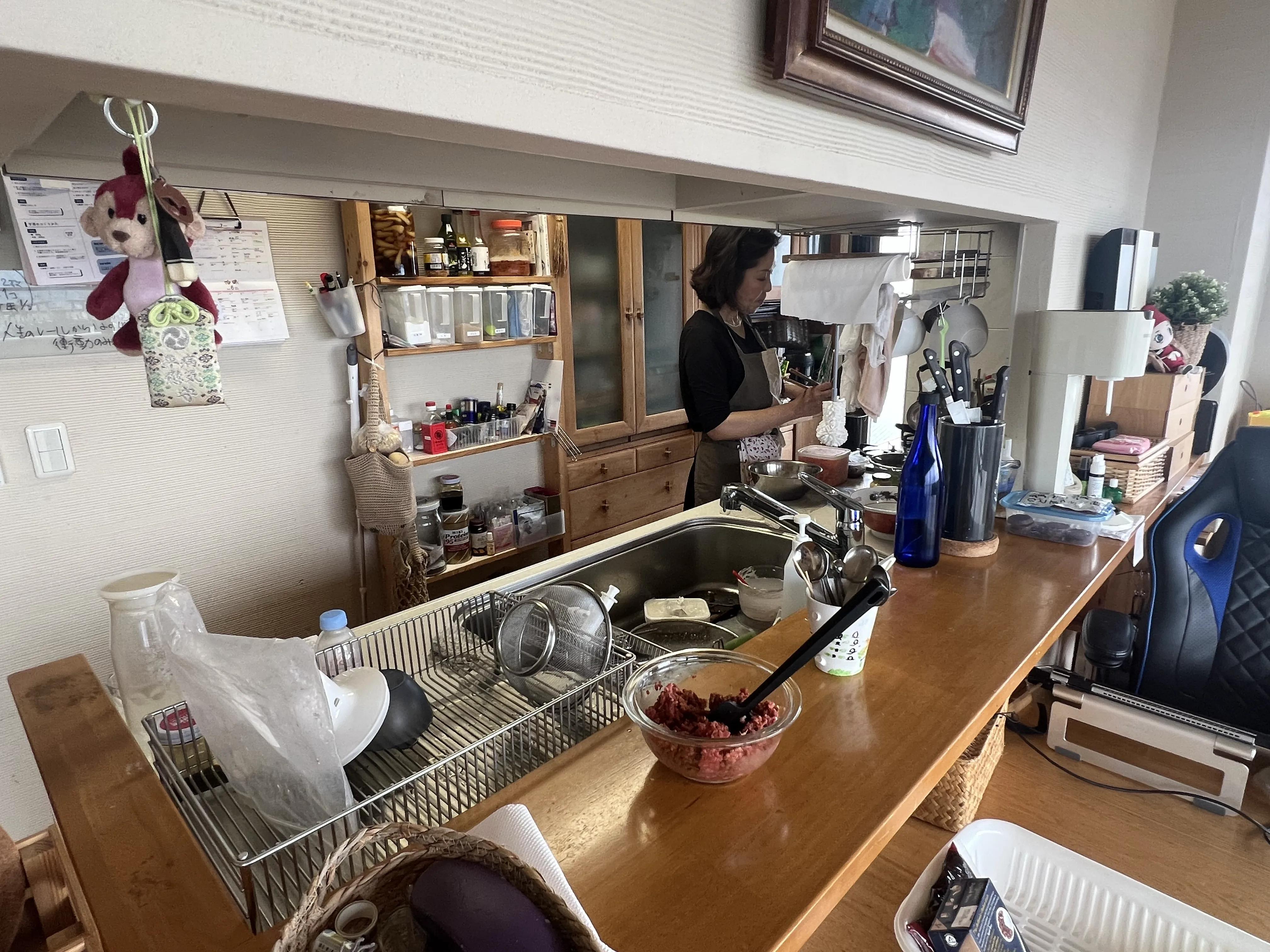
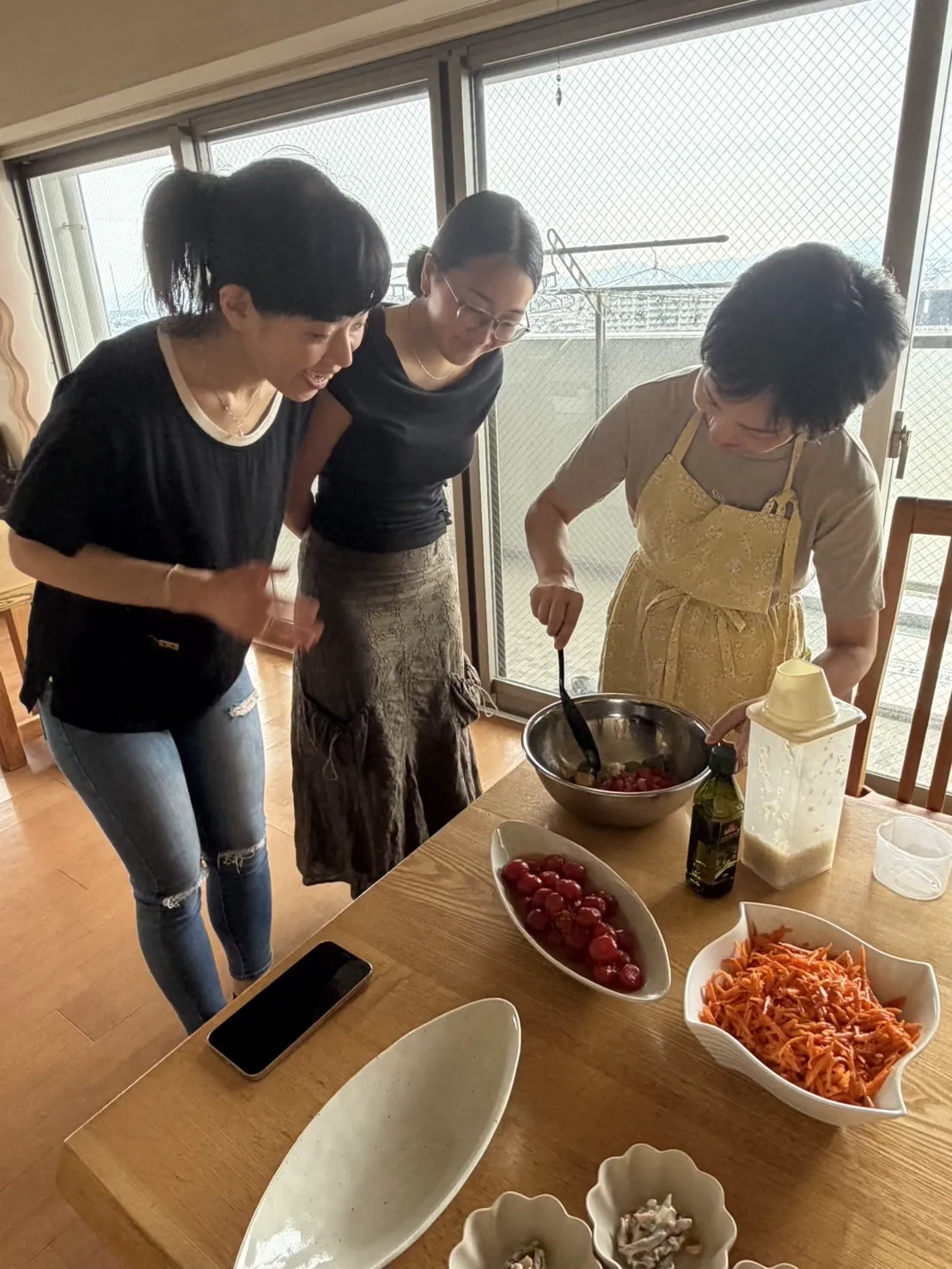
I got there at 11. When I checked the time, it was past four. I had a plan for the rest of the day, so I had to leave. But I wasn't ready to.
What's happened since
Mihorin and I stayed in touch. Her son has plans to study in Taiwan, so she connected us, and the three of us now share a group chat. It started as a meal and turned into something that still goes on.
What surprised me most wasn't the food or the conversation. It was how natural it all felt, like meeting someone you were somehow always going to get along with.
Who I'd recommend this to
If you're going to Japan and you want the standard itinerary, this probably isn't for you. But if you're the kind of person who ends up spending an hour at a local supermarket because it's interesting, or who finds yourself more curious about the neighborhood than the landmark, it's worth trying. You pick your host, they pick you back, and you see what happens.
More Than a Meal. A Genuine Connection.
Borderless Visit connects travelers with Japanese host families for an evening of authentic Japanese home dining. Not a restaurant, not a tour, but a real meal in a real home with people who are genuinely curious about you.
Every Japanese family experience through Borderless Visit is different, but the heart of it stays the same: a real connection with people who want to know you, even briefly.