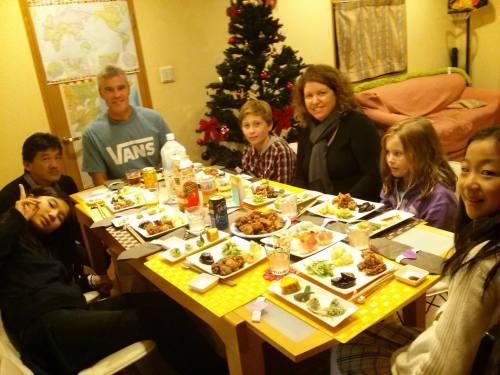
🎉 Nagomi Visit has a new name: Borderless Visit. Our mission remains the same, connecting people through home-cooked meals and genuine encounters. Learn more

The riddle of the Japanese sausages

2012-04-26

21 padding: 3rem 0 2.5rem; max-width: 760px; } .intro-section p { font-size: 17px; color: var(--text-mid); line-height: 1.7; } .story-section { padding: 0 0 4.5rem; } .story-image-wrap { margin: 0 0 2.5rem; } .story-image-wrap img { display: block; max-width: 100%; height: auto; } .story-image-caption { font-size: 13px; color: var(--text-light); margin-top: 0.6rem; font-style: italic; } .story-body { font-size: 16px; color: var(--text-dark); line-height: 1.9; } .story-body h2 { font-size: clamp(1.15rem, 2.5vw, 1.4rem); font-weight: 600; color: var(--text-dark); margin: 2.5rem 0 1.2rem; } .story-body p { margin-bottom: 1.8rem; } .story-body p:last-child { margin-bottom: 0; } .story-body ul { margin: 0 0 1.8rem 1.3rem; } .story-body li { margin-bottom: 0.6rem; } .story-body strong { font-weight: 600; } .highlight { border-bottom: 2px solid #E8835A; padding-bottom: 1px; } .quote-block { border-left: 3px solid var(--red); padding: 1.5rem 1.8rem; margin: 2.8rem 0; background: var(--highlight-bg); } .quote-block p { font-family: 'Cormorant Garamond', Georgia, serif; font-size: 21px; font-style: italic; font-weight: 400; color: var(--text-dark); line-height: 1.65; margin: 0; } .quote-block cite { display: block; font-size: 12px; font-style: normal; font-weight: 600; letter-spacing: 0.12em; text-transform: uppercase; color: var(--red); margin-top: 1rem; } /* FAQ */ .faq-section { padding: 4rem 0; border-top: 1px solid var(--border); } .faq-label { font-size: 12px; font-weight: 600; letter-spacing: 0.22em; text-transform: uppercase; color: var(--red); margin-bottom: 0.8rem; } .faq-title { font-size: clamp(1.3rem, 3vw, 1.8rem); font-weight: 600; line-height: 1.3; margin-bottom: 2rem; color: var(--text-dark); } .faq-item { margin-bottom: 1.8rem; } .faq-item:last-child { margin-bottom: 0; } .faq-q { font-size: 16px; font-weight: 600; color: var(--text-dark); margin-bottom: 0.5rem; } .faq-a { font-size: 16px; color: var(--text-dark); line-height: 1.85; } /* ABOUT */ .about-section { padding: 4rem 0; border-top: 1px solid var(--border); } .about-label { font-size: 12px; font-weight: 600; letter-spacing: 0.22em; text-transform: uppercase; color: var(--red); margin-bottom: 0.8rem; } .about-title { font-size: clamp(1.3rem, 3vw, 1.8rem); font-weight: 600; line-height: 1.3; margin-bottom: 2rem; color: var(--text-dark); } .about-body { font-size: 16px; line-height: 1.9; color: var(--text-dark); margin-bottom: 1.5rem; max-width: 720px; } .about-body strong { font-weight: 600; } .about-body:last-of-type { margin-bottom: 0; } /* CTA */ .cta-section { padding: 4rem 0 3rem; border-top: 1px solid var(--border); } .cta-title { font-size: clamp(1.2rem, 3vw, 1.7rem); font-weight: 600; color: var(--text-dark); line-height: 1.35; margin-bottom: 1.2rem; } .cta-body { font-size: 16px; color: var(--text-mid); line-height: 1.85; margin-bottom: 2rem; max-width: 560px; } .cta-btn { display: inline-block; background: var(--red); color: #fff; font-size: 12px; font-weight: 600; letter-spacing: 0.14em; text-transform: uppercase; padding: 15px 38px; text-decoration: none; white-space: nowrap; transition: background 0.2s ease; } .cta-btn:hover { background: var(--red-dark); } .footer-note { padding: 2rem 0 1rem; font-size: 13px; color: var(--text-light); border-top: 1px solid var(--border); margin-top: 1rem; } @media (max-width: 600px) { .story-section { padding: 0 0 3.5rem; } .faq-section { padding: 3rem 0; } .about-section { padding: 3rem 0; } .cta-section { padding: 3rem 0 2rem; } }

Spend a few days in a Japanese kitchen and you will start noticing things that never made the guidebooks: how rice is rinsed, how leftovers are wrapped, and yes, why a simple pack of sausages comes in two separate, slightly inflated bags. It looks strange. It feels like over-packaging. But there is a surprisingly good reason behind it.
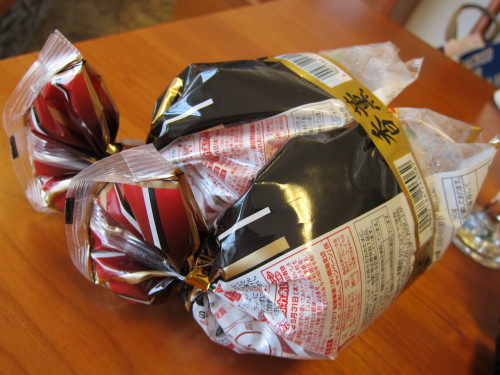
Japanese sausages packaged in two inflated bags, a common sight in home kitchens in Japan

A typical pack of Japanese sausages: two bags, taped together, each one slightly puffed up with gas.

The Sausage Packaging That Confuses Every Visitor to Japan

If you have ever shopped at a supermarket in Japan, you have probably picked up a pack of sausages and wondered why it felt like two small balloons taped together. The cheaper sausages tend to come this way: stuffed loosely into a single inflated bag. The fancier ones, usually larger or flavored with herbs, are vacuum-sealed instead. But the everyday sausages that most households buy come in two separate inflated bags joined together as one product.

For anyone used to shrink-wrapped meat from a supermarket back home, this looks like classic Japanese over-packaging, the same instinct behind individually wrapped fruit or single-serving snack portions. But the two-bag sausage design is not about presentation. It is about food science.

Why Are Japanese Sausages Packed in Inflated Bags?

The bags are inflated with nitrogen gas, not air. Nitrogen is used because it does not react with the meat the way oxygen does. Oxygen is what causes fat to oxidize, color to fade, and bacteria to grow faster. By replacing the air inside the package with nitrogen, manufacturers slow down spoilage and help the sausages stay fresher for longer on the shelf.

This is also why the sausages are split into two separate bags rather than one large one. Most households do not eat an entire pack of sausages in a single meal. Once a bag is opened, the nitrogen barrier is gone and oxygen starts working on the contents immediately. By dividing the pack in two, only one bag needs to be opened at a time. The second bag stays sealed, still protected by nitrogen, ready for the next meal.

Why Not Just Vacuum-Pack Them Like Ham and Bacon?

This is where the size of the sausage matters. Japanese sausages, the kind found in bento boxes, breakfast plates, and stir-fries, are typically small and thin. A handful of them can fit comfortably inside a small inflated bag without losing their shape.

Larger products like ham, bacon, and thicker sausages cannot be packaged this way. If they were placed in an inflated bag, the lack of pressure would cause them to lose their shape, flatten, or bend. Vacuum packaging solves this by pressing the packaging tightly against the product, holding its form. So the rule of thumb is simple:

  • Small sausages → nitrogen-filled bags, often in pairs, for shape protection and double freshness
  • Larger sausages, ham, and bacon → vacuum-sealed, to maintain shape and density

Once you know this, the "balloon sausages" stop looking like wasteful packaging and start looking like a quietly clever piece of food engineering, designed around how Japanese households actually cook and eat.

A Small Detail That Says a Lot About Japan

Details like this rarely show up in travel guides, because they are not landmarks or experiences you can book a ticket for. They are the kind of thing you only notice when you are standing in someone's kitchen, helping unpack the shopping, or reaching into a refrigerator that is not your own.

"It's the small things, like opening someone's fridge or helping cook dinner, that end up being the most memorable part of the trip."

— A common reflection from Borderless Visit guests

This is exactly the kind of everyday curiosity that comes alive during a Japanese home dining experience. When you sit down to a meal cooked by a Japanese family, you are not just eating, you are seeing how a household actually runs: what's in the fridge, how meals are prepared, and why certain products look the way they do.

Frequently Asked Questions

Quick Answers About Japanese Sausage Packaging

Why are Japanese sausages sold in two bags?
Japanese sausages are often divided into two separate inflated bags, taped together as one product, so that only one bag needs to be opened at a time. The unopened bag stays protected by nitrogen gas, keeping the sausages fresh until the next meal.
What gas is used in Japanese sausage packaging?
The bags are filled with nitrogen, an inert gas that does not cause the oxidation, discoloration, or bacterial growth that oxygen does. This is a common food preservation technique called modified atmosphere packaging.
Why aren't all Japanese meat products packaged this way?
Inflated nitrogen bags work well for small items like thin sausages, which keep their shape without pressure. Larger products such as ham, bacon, and thick sausages are vacuum-sealed instead, since vacuum packaging presses against the product and helps it hold its shape.
Is this considered over-packaging in Japan?
It can look that way at first glance, especially to visitors used to single-bag packaging elsewhere. However, the two-bag design serves a practical purpose: extending freshness and reducing food waste by keeping unopened portions protected.
About Borderless Visit

More Than a Meal. A Genuine Connection.

Borderless Visit connects travelers with Japanese host families for an evening of authentic Japanese home dining. Not a restaurant, not a tour, but a real meal in a real home with people who are genuinely curious about you.

Every Japanese family dinner through Borderless Visit is different. Some involve kimono dressing and elaborate spreads. Others are quieter, more intimate: a kitchen conversation and a home-cooked meal made with everyday ingredients, like the very sausages in this article.

For travelers looking for an authentic Japan experience beyond the standard itinerary, dining with a Japanese family offers something no guidebook can: a firsthand look at the small, everyday details that make daily life in Japan so different, and so interesting.

Curious About Everyday Life in Japan?

The best discoveries often happen in someone's kitchen. Book a Borderless Visit and experience Japanese home cooking for yourself.

Book Your Experience